Author: Tulitha

  • Sam & Rosy

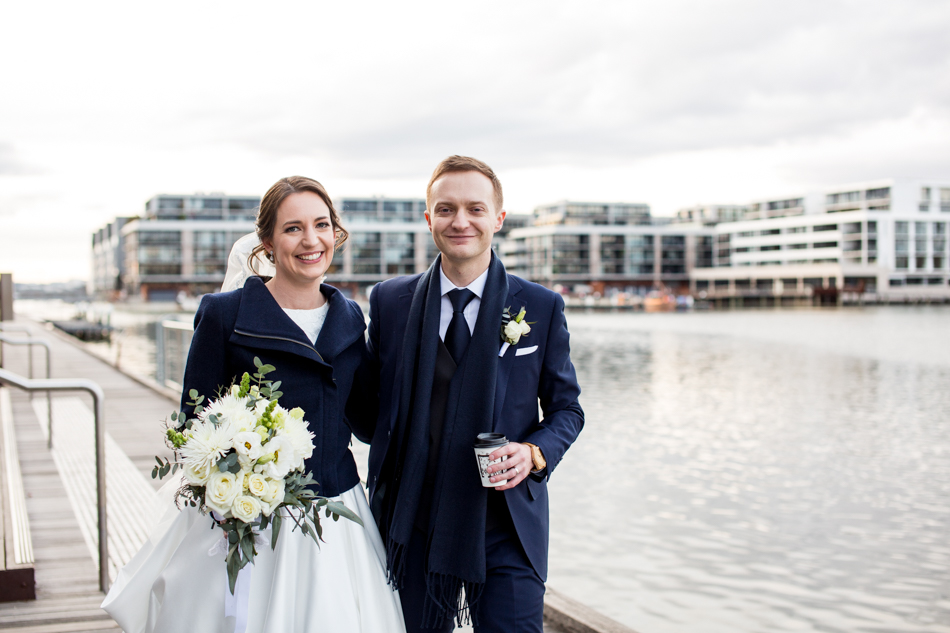
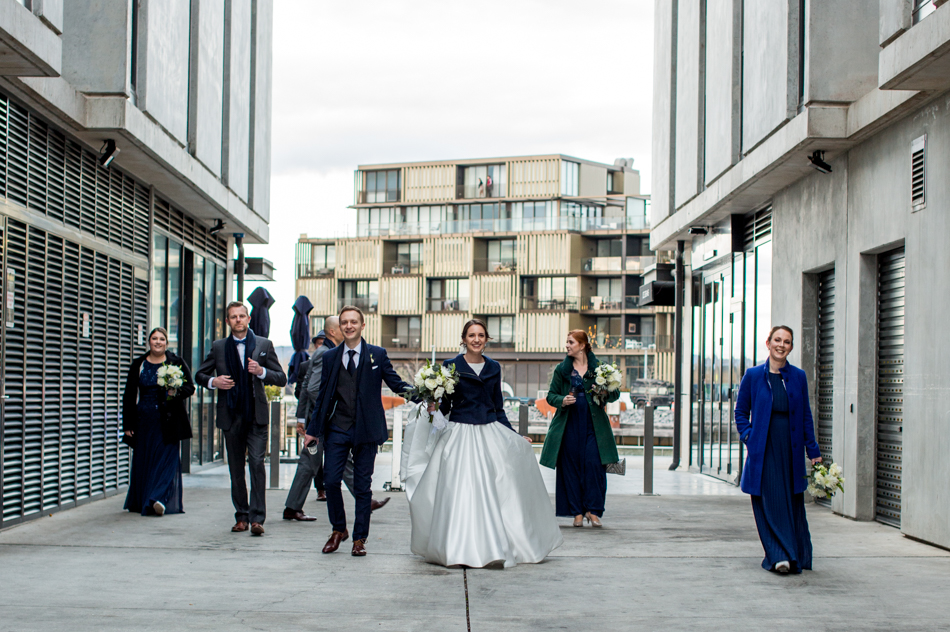
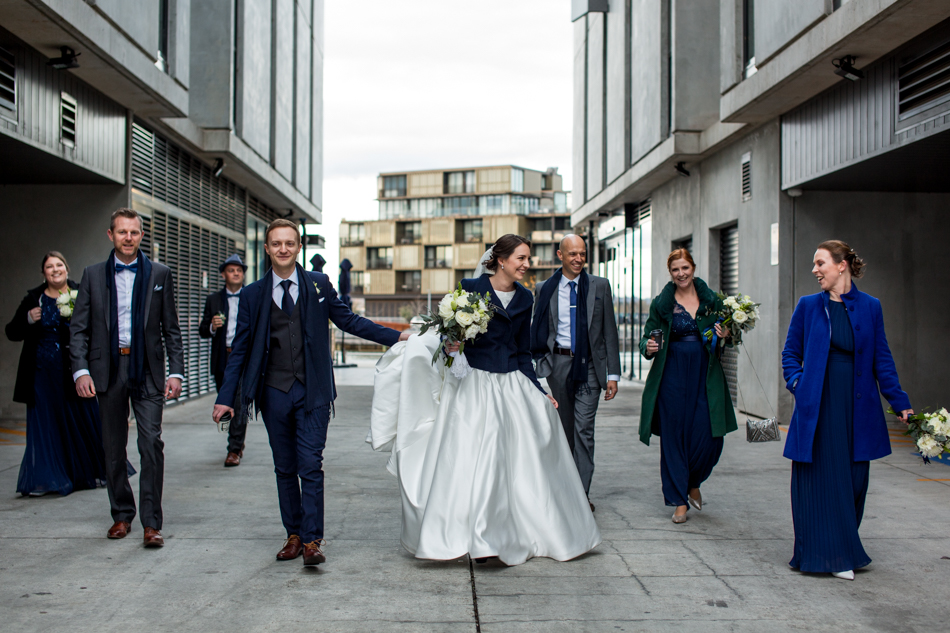
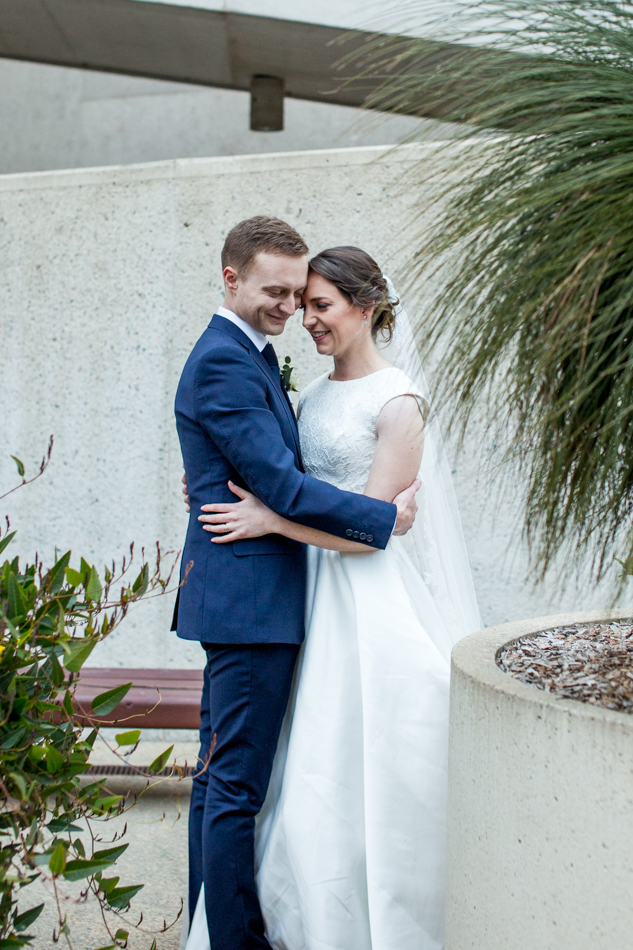
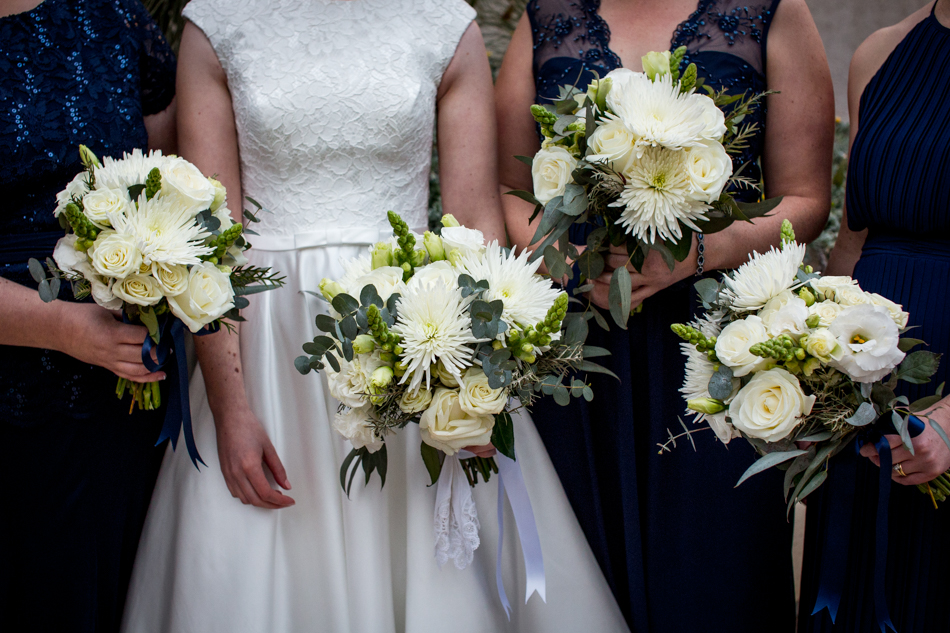
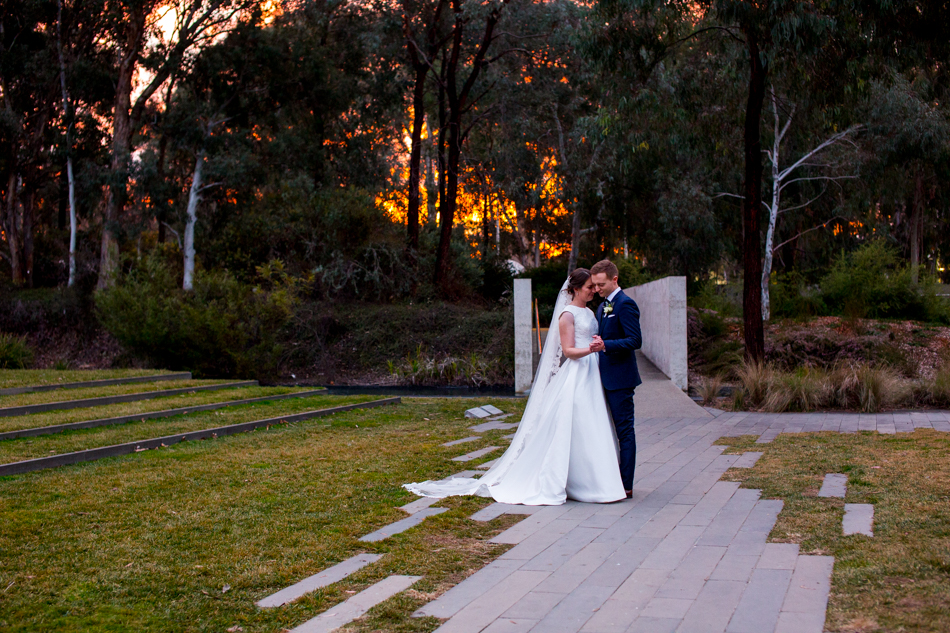
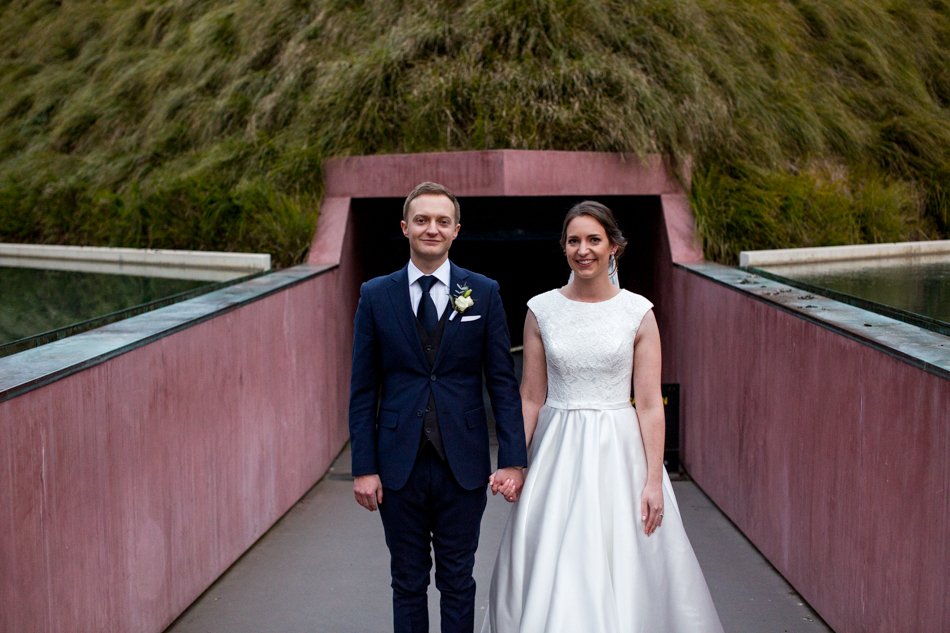
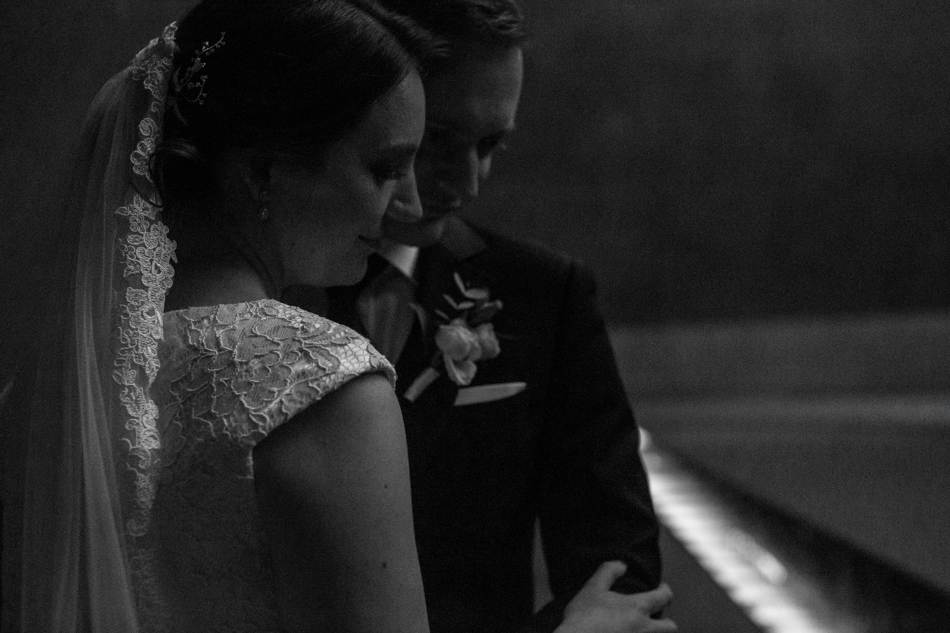
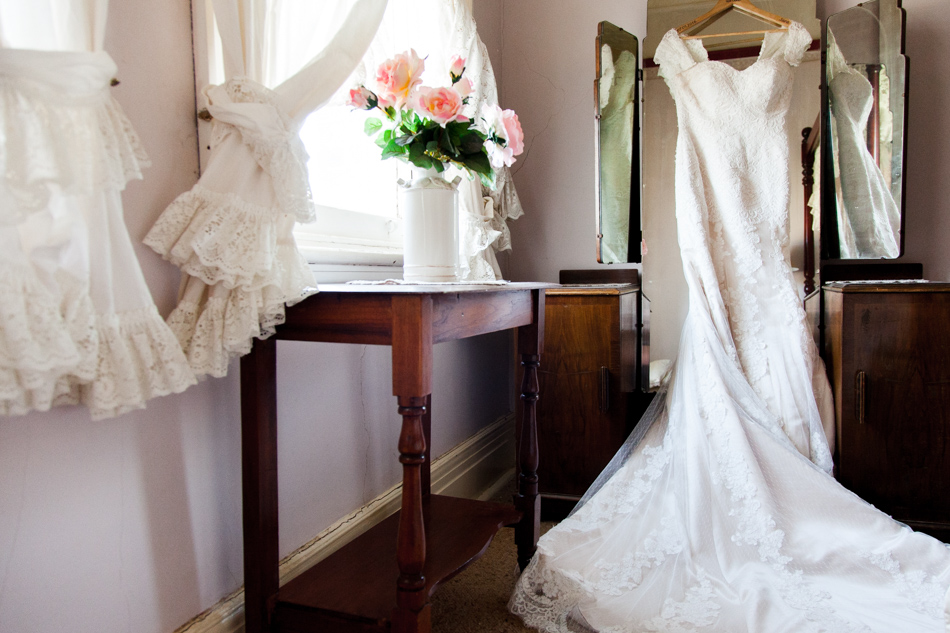
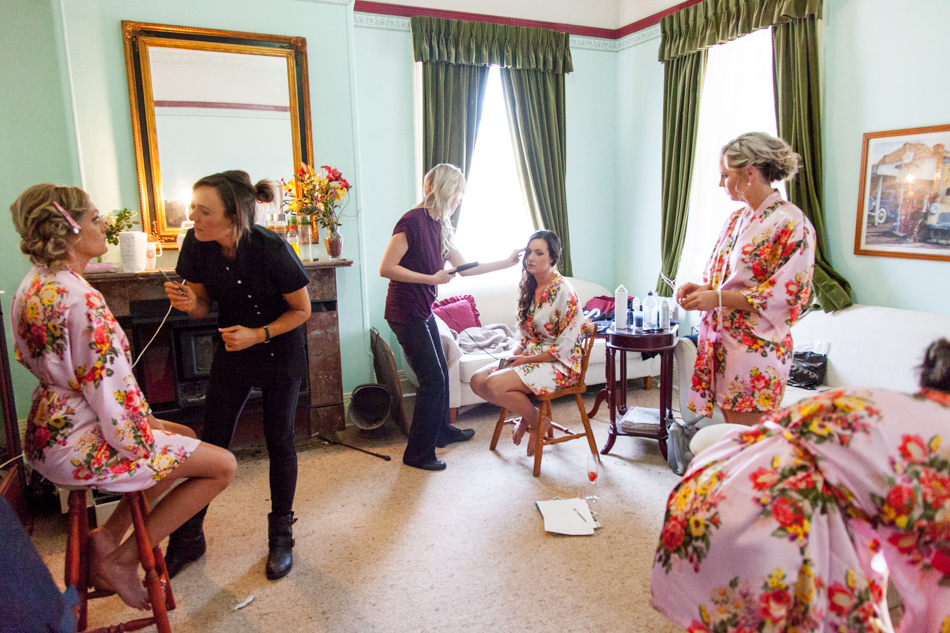
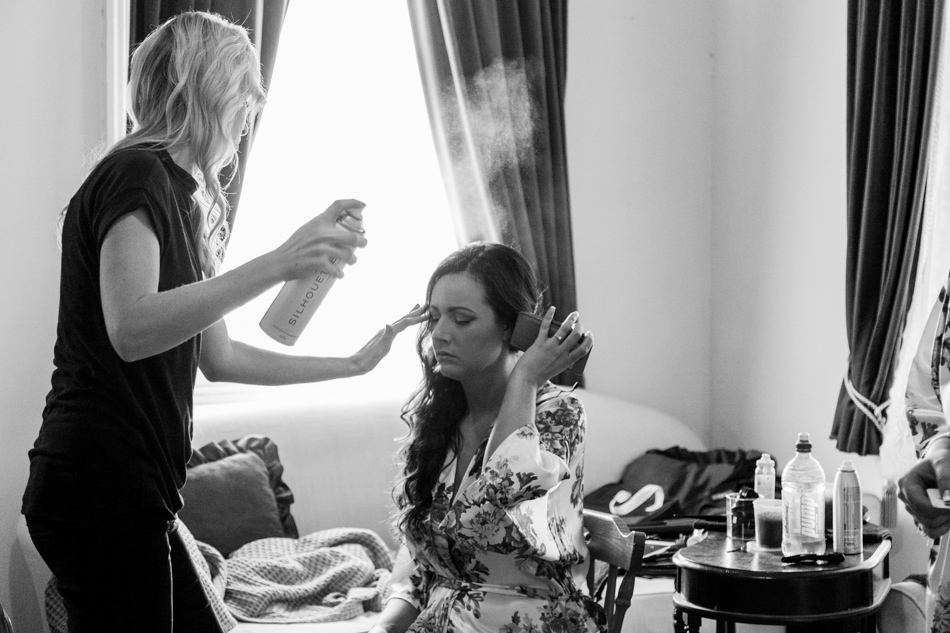
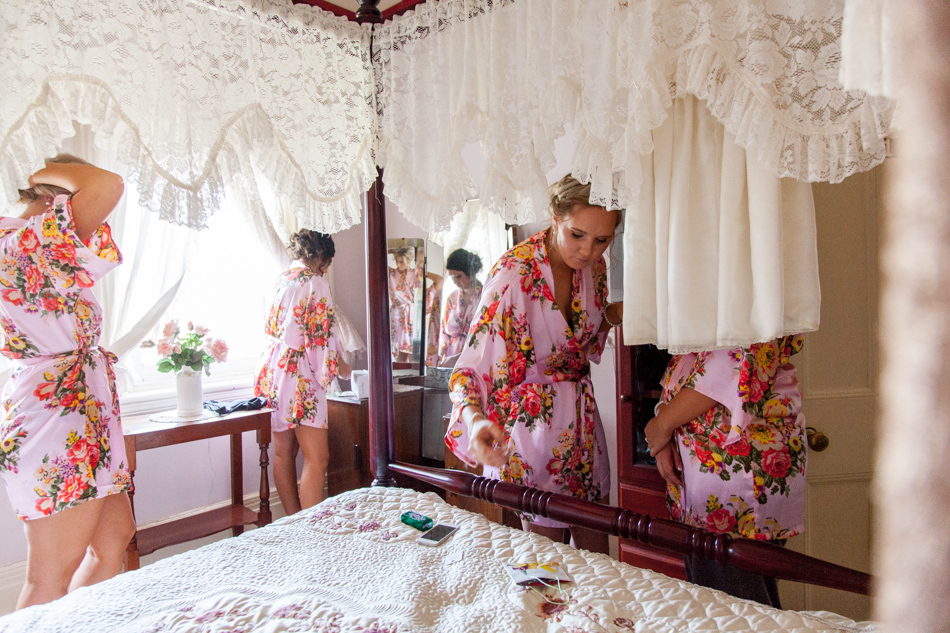
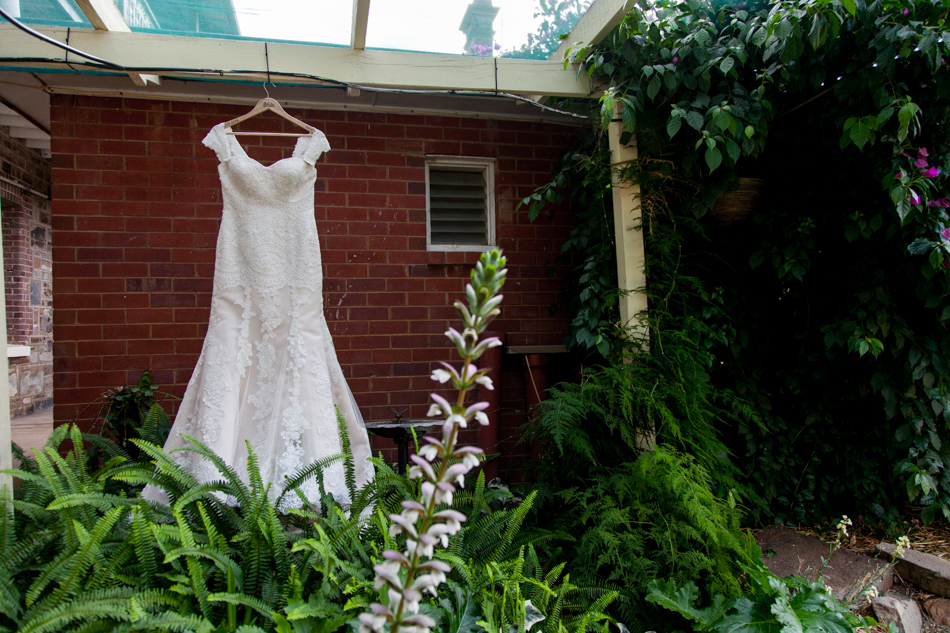
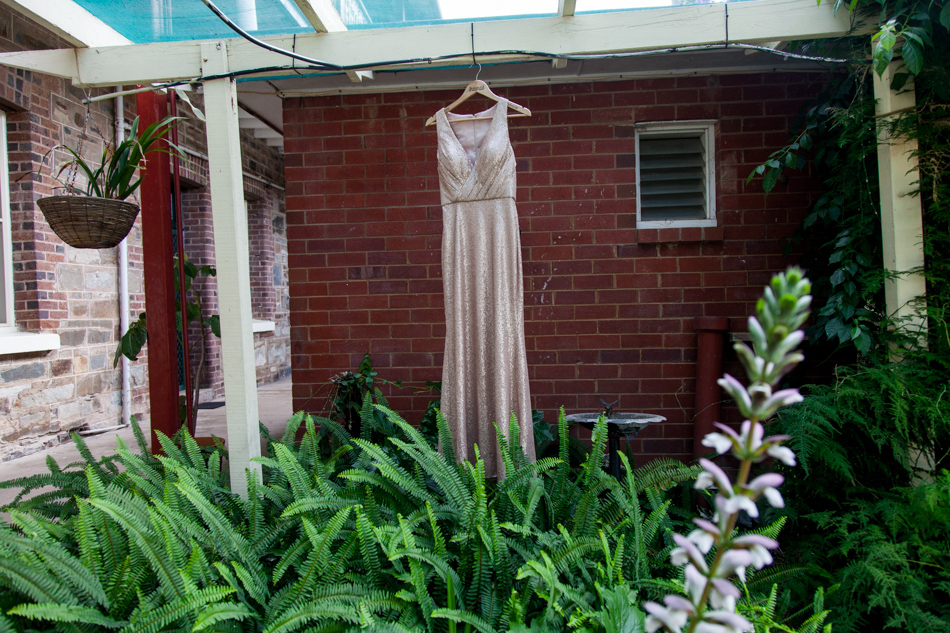
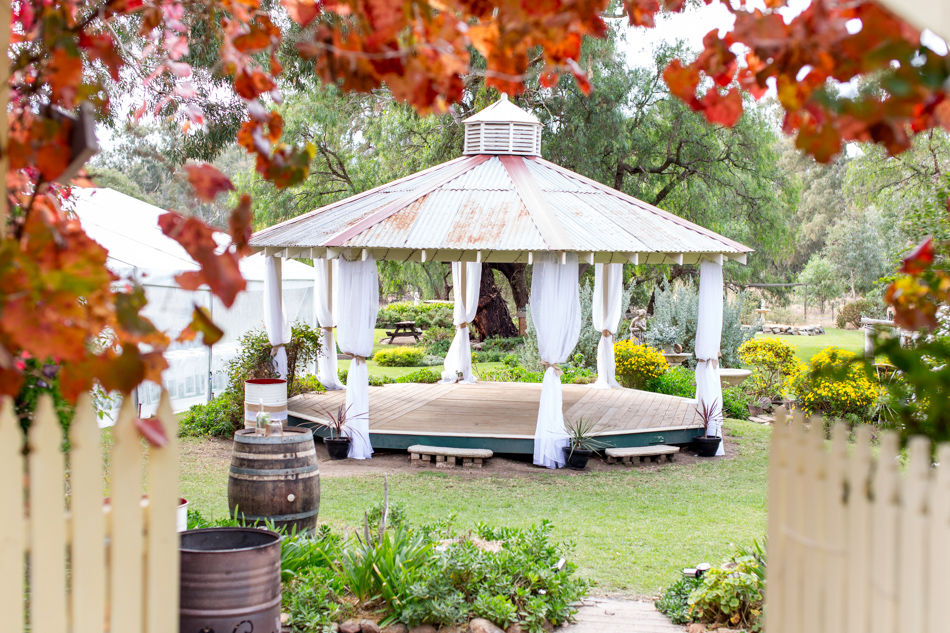
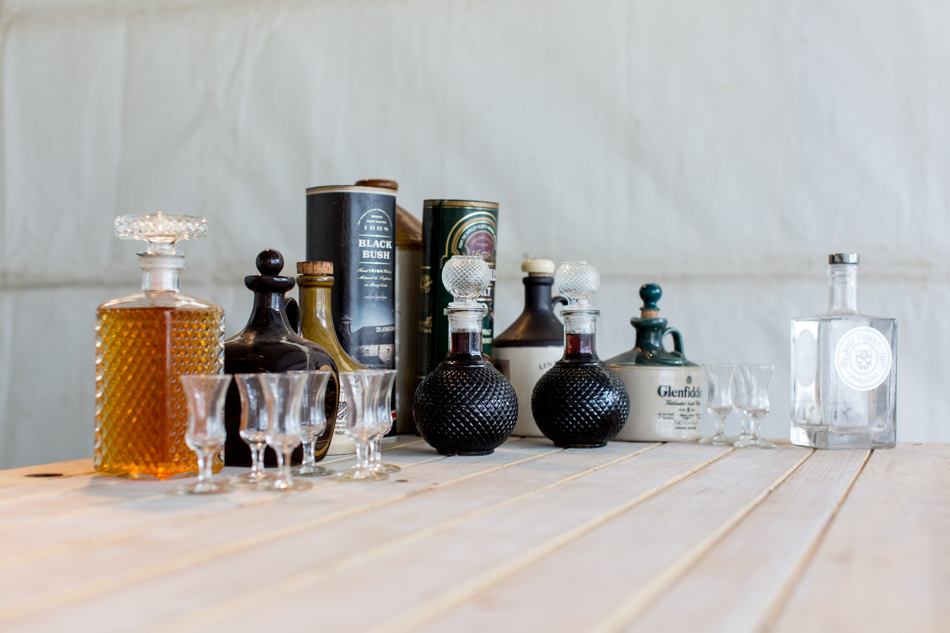
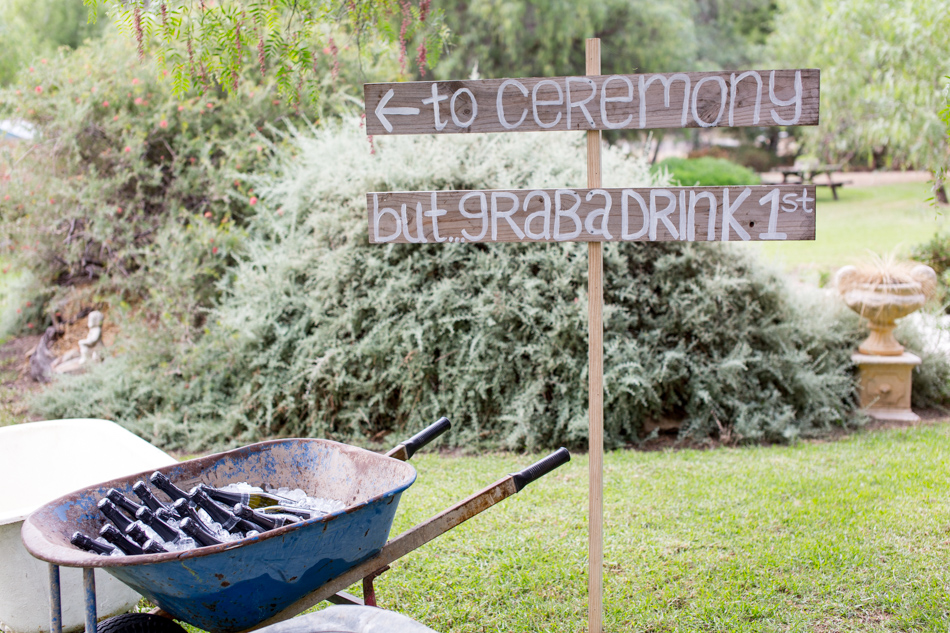
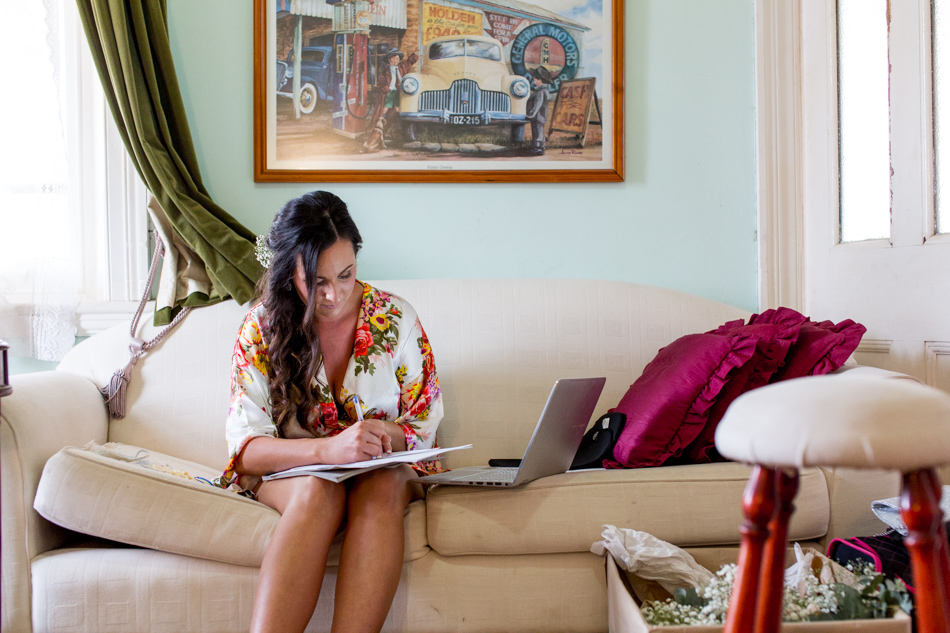
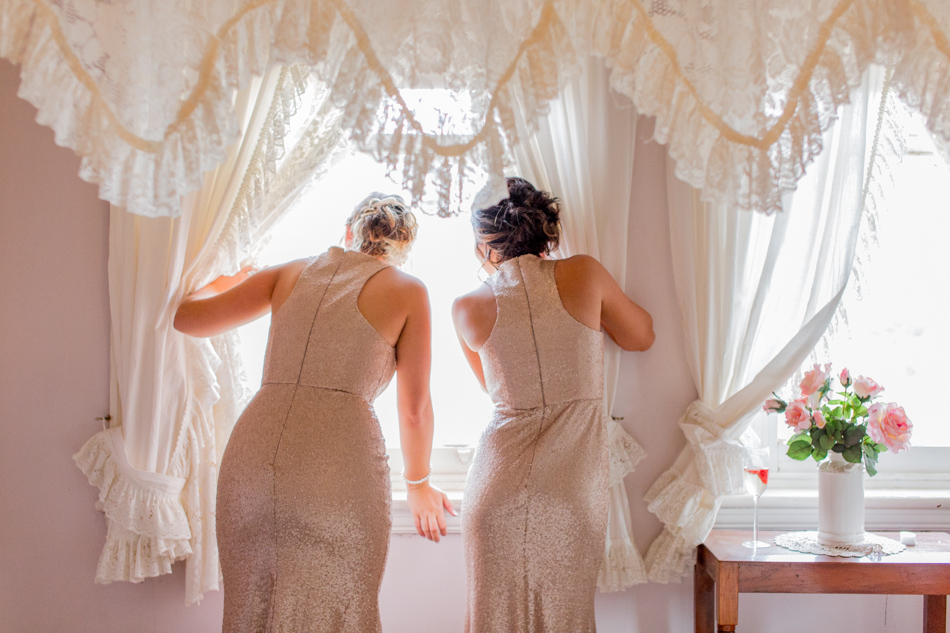
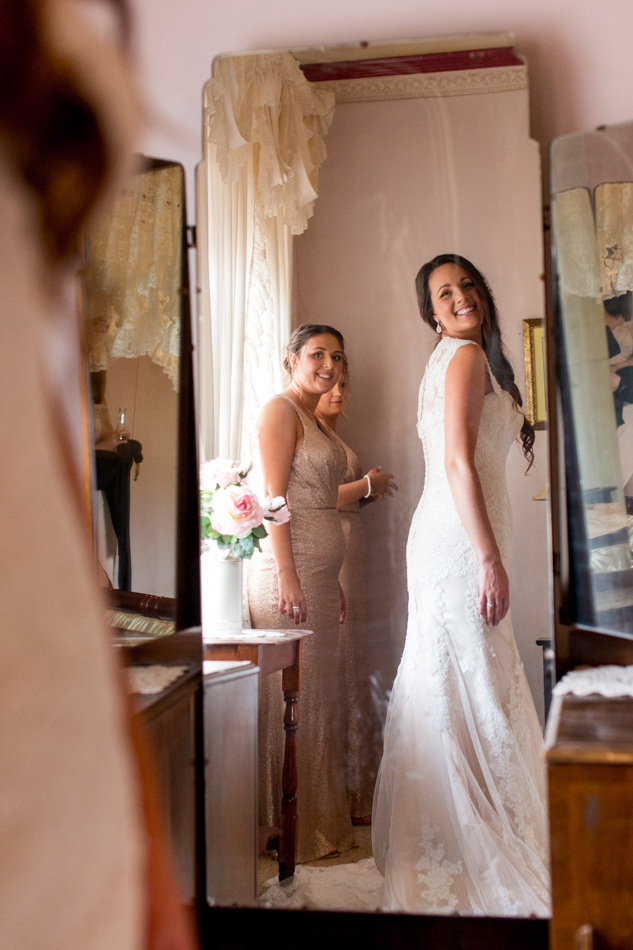
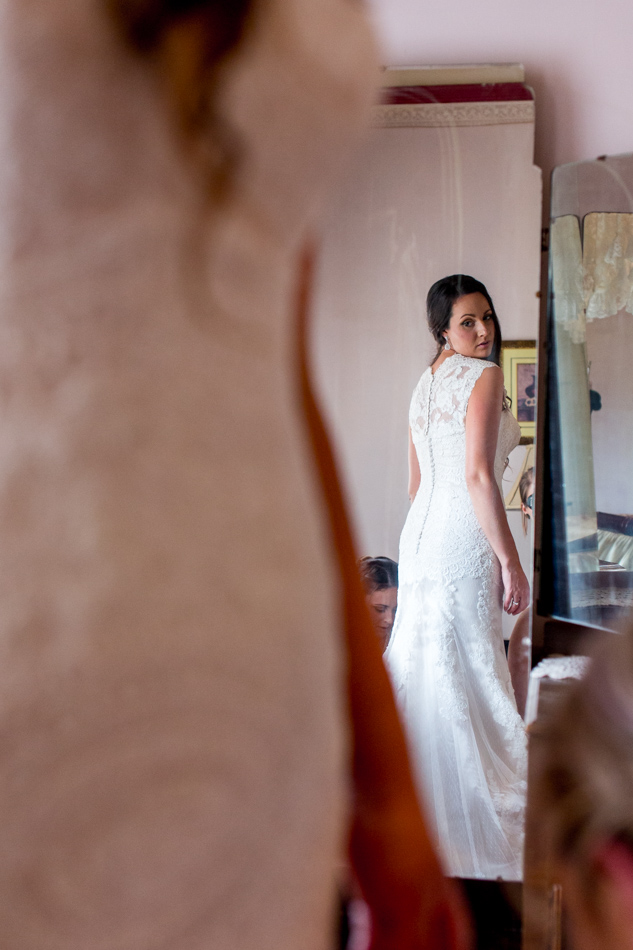
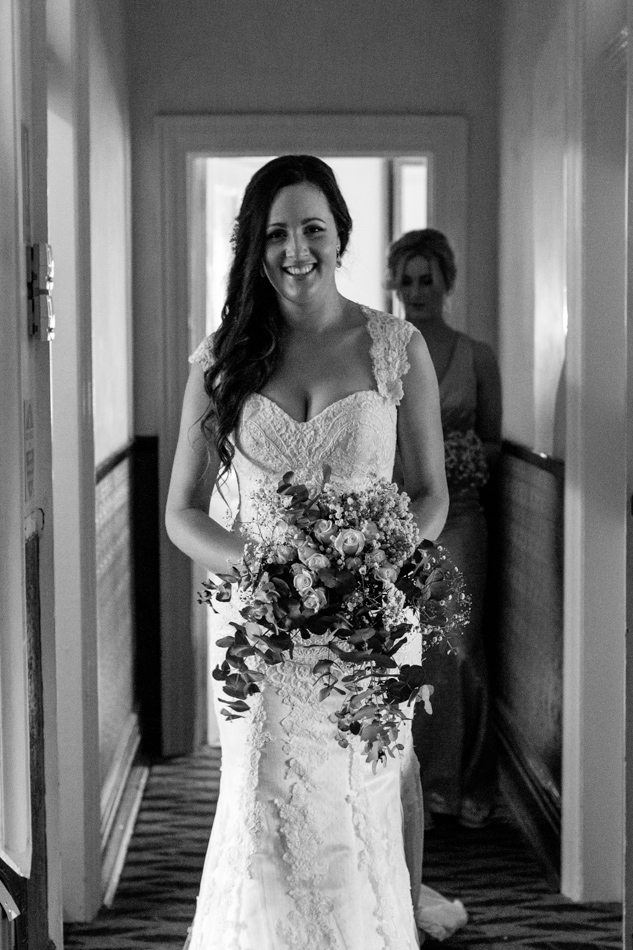
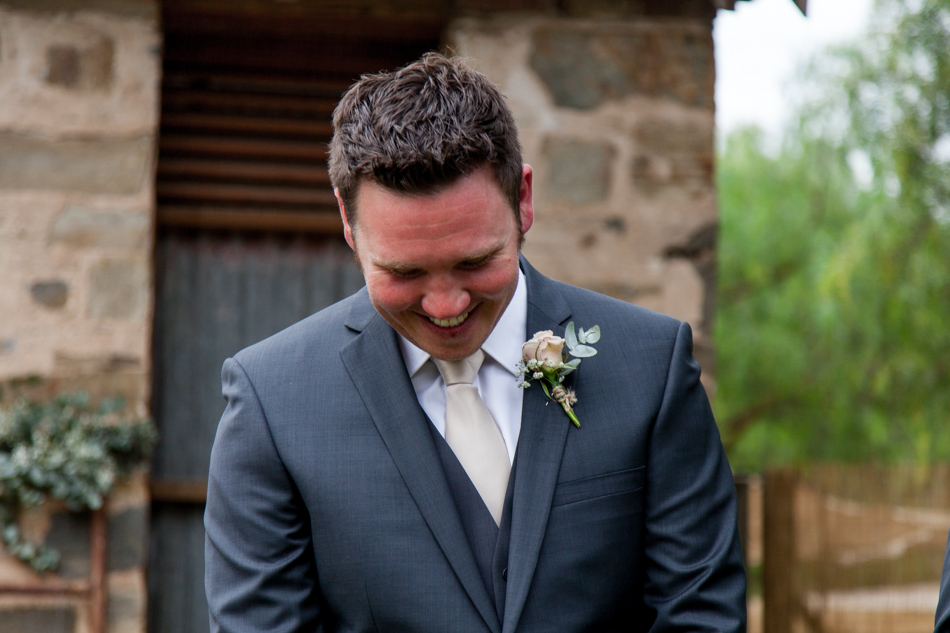
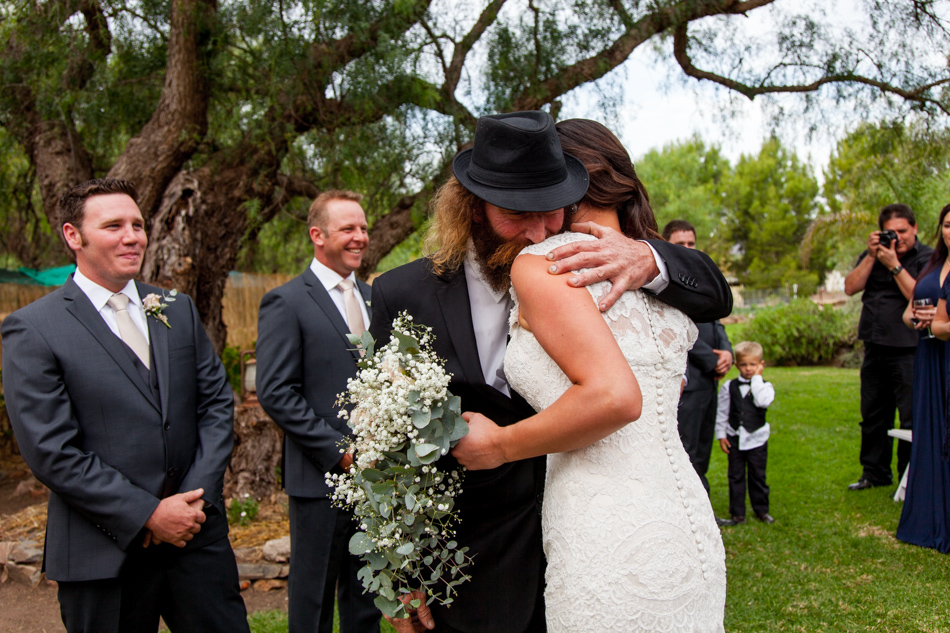
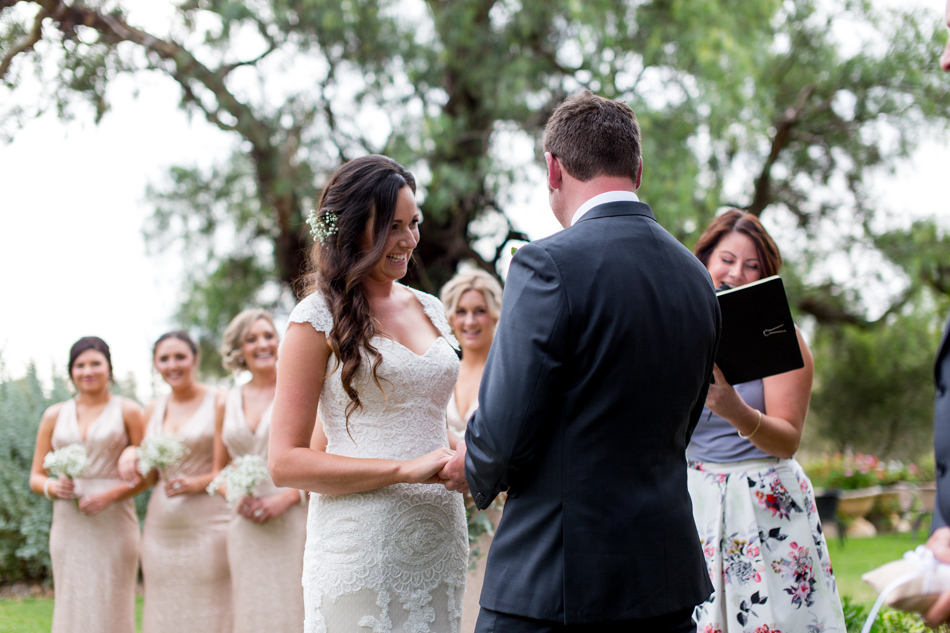
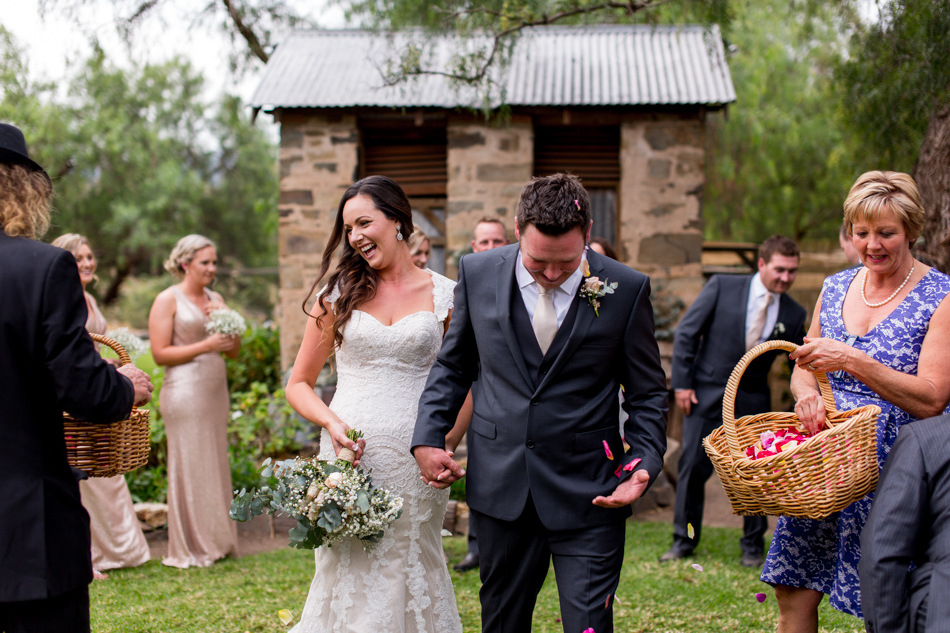
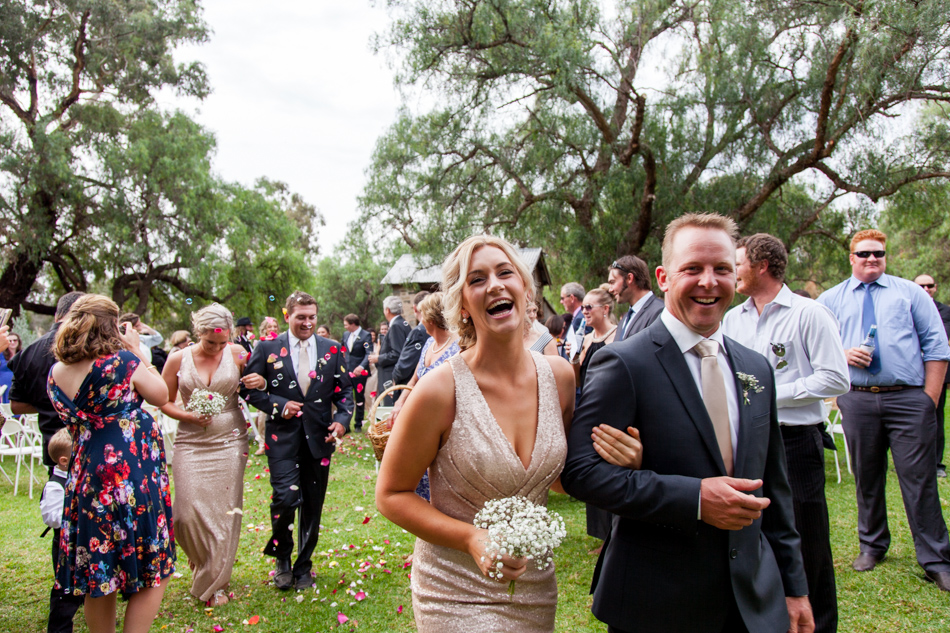
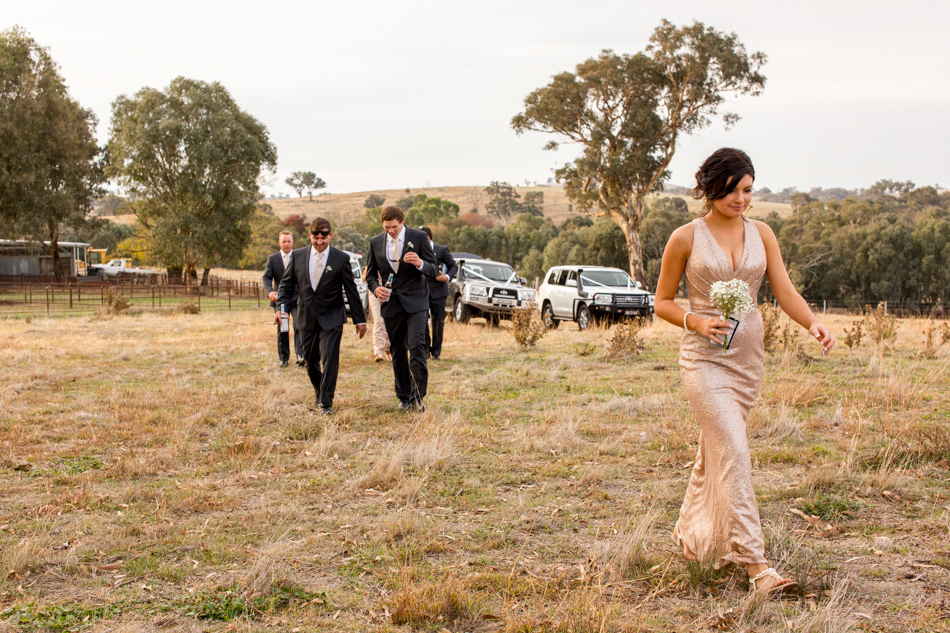
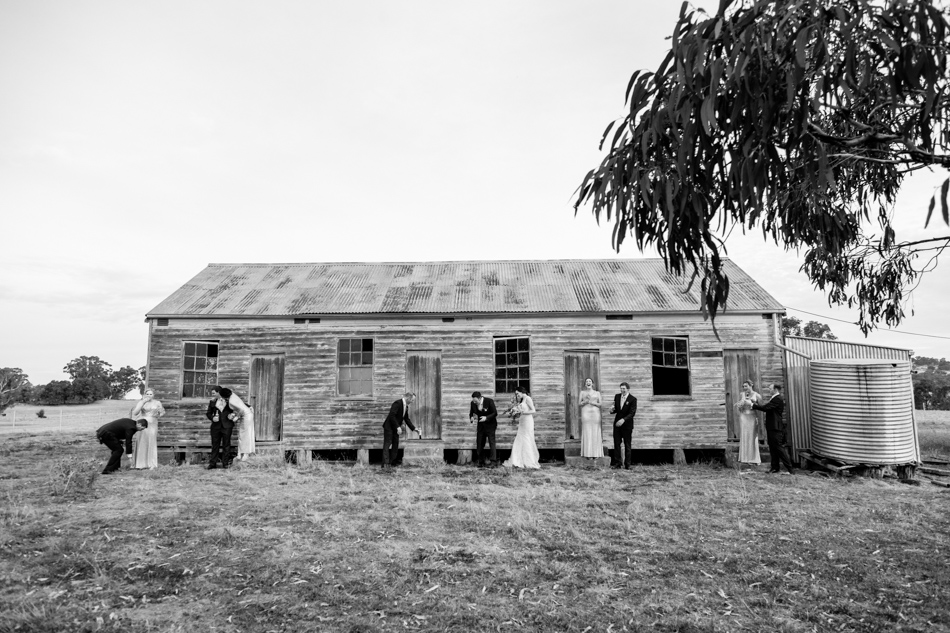
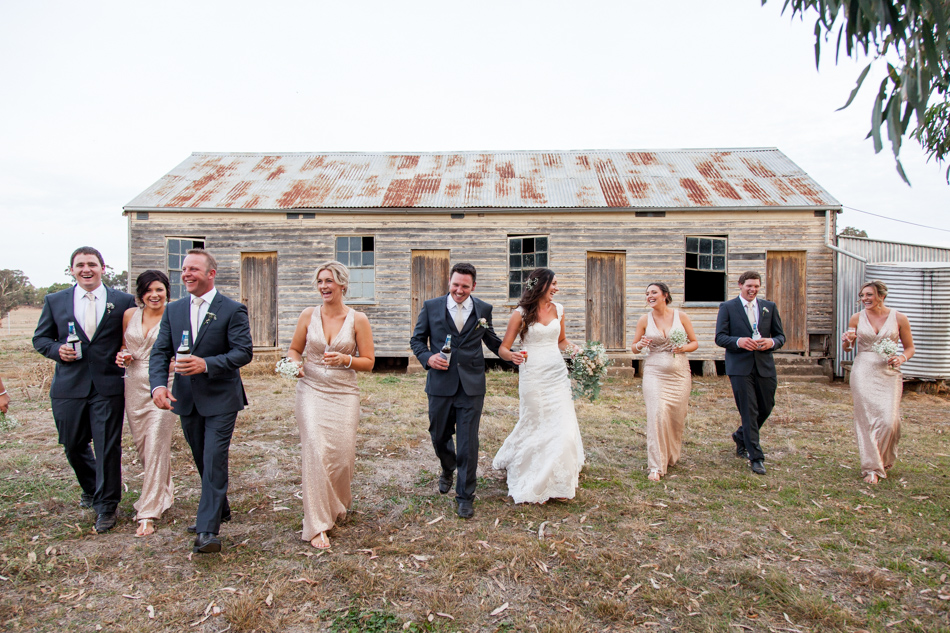
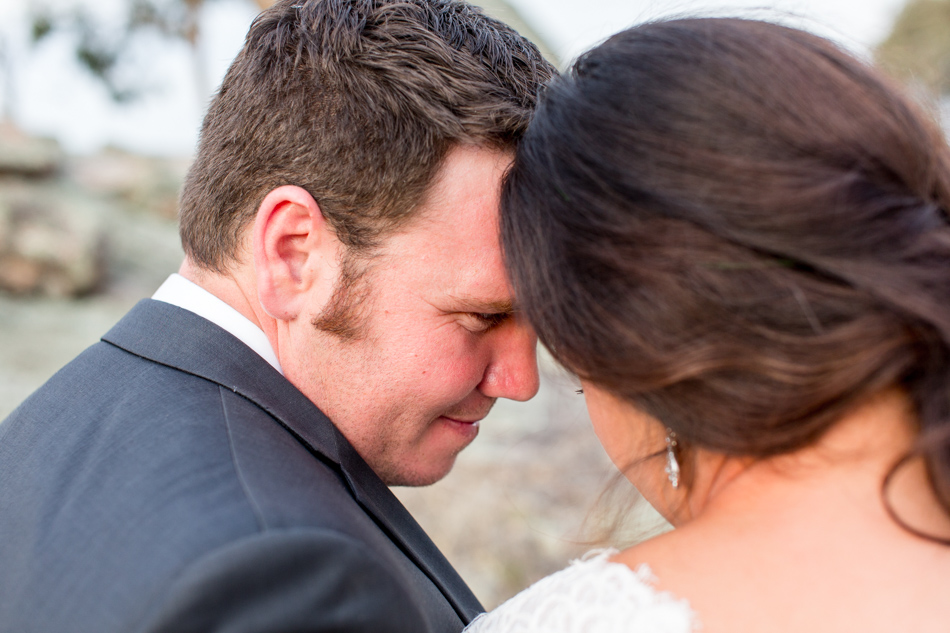
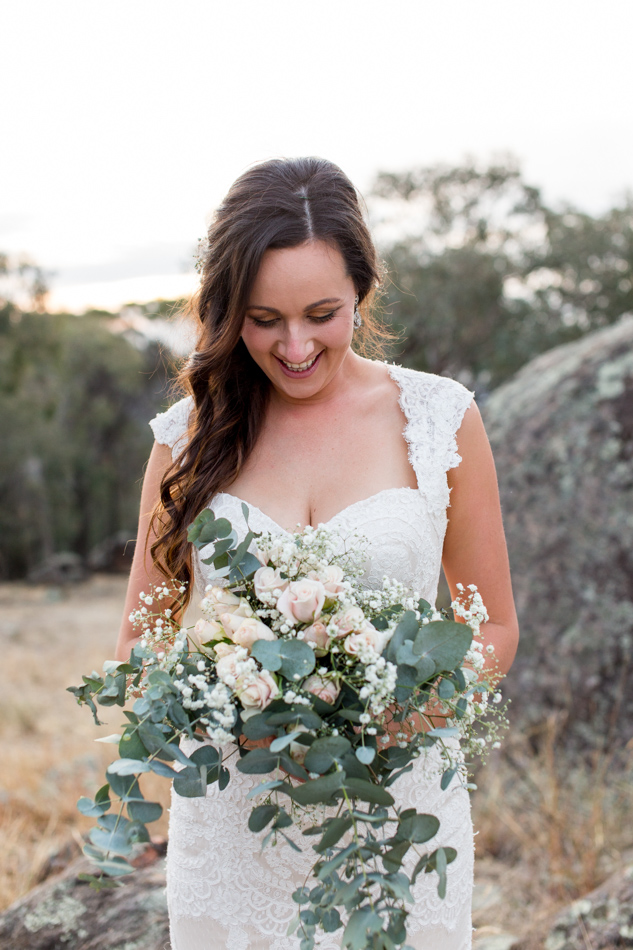
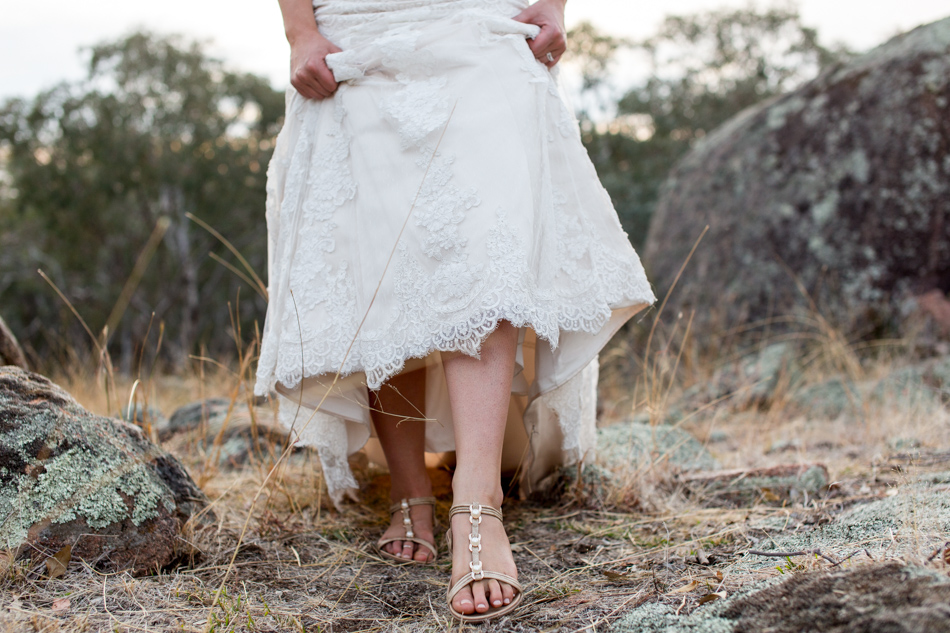
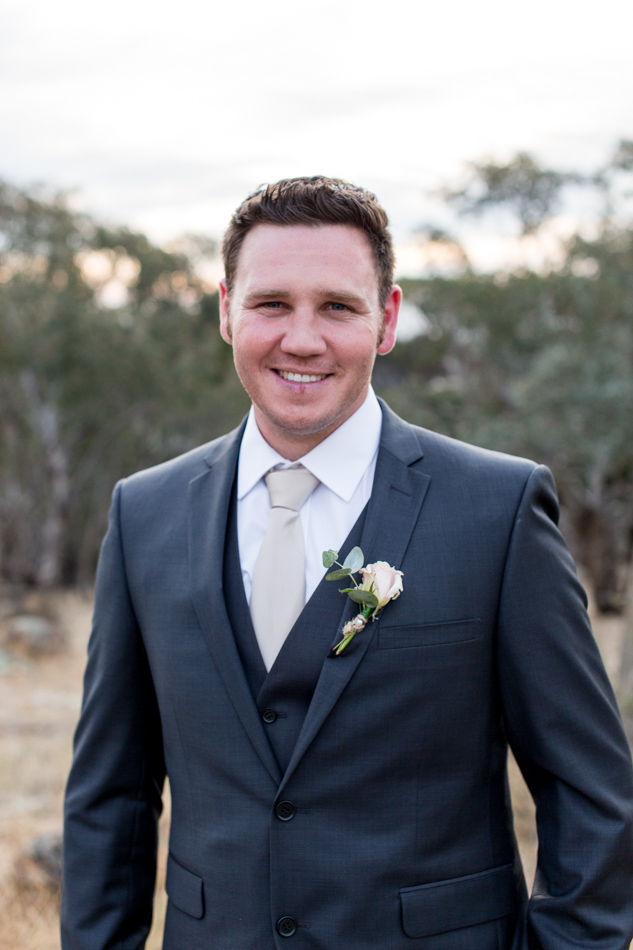
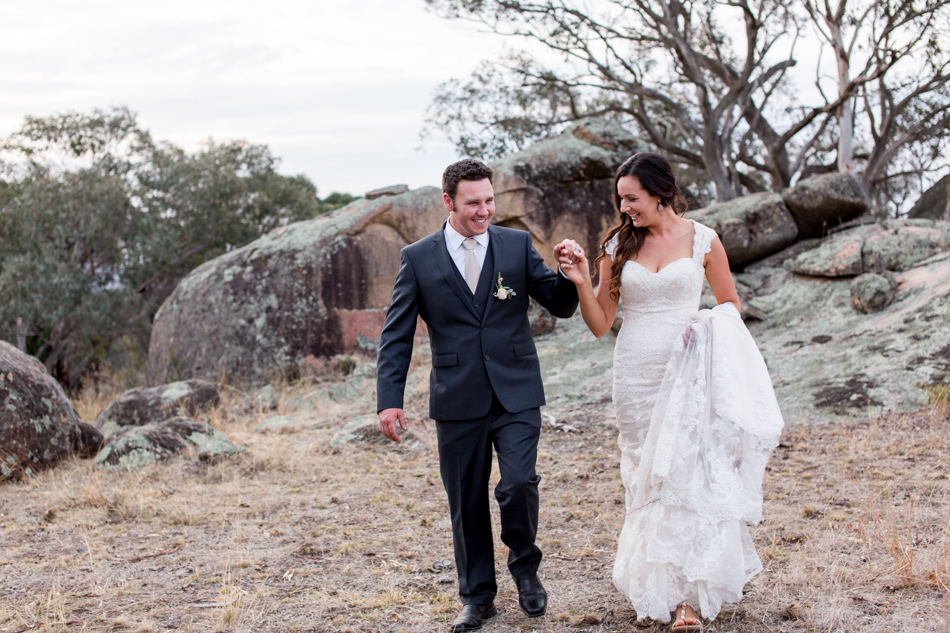
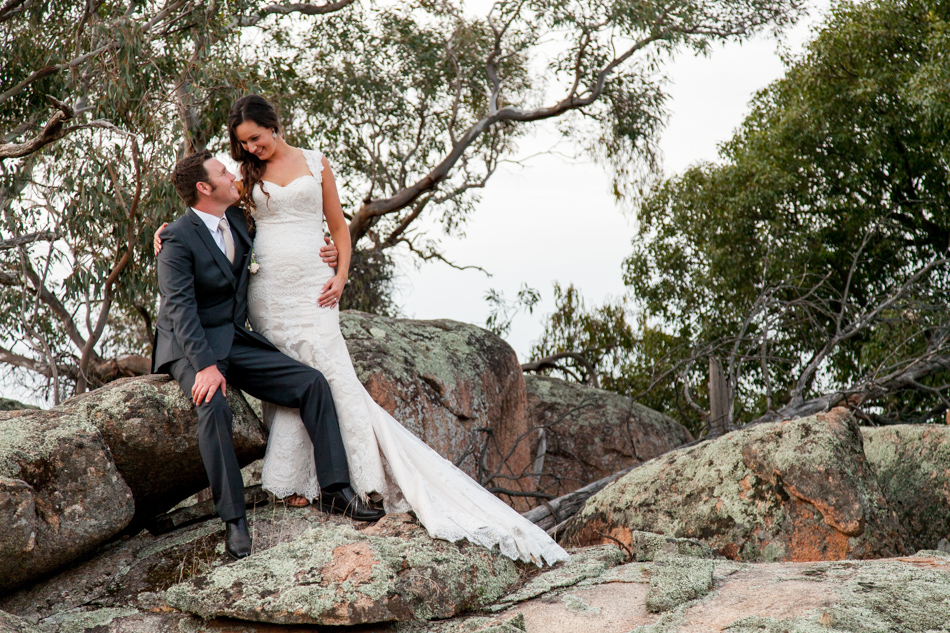
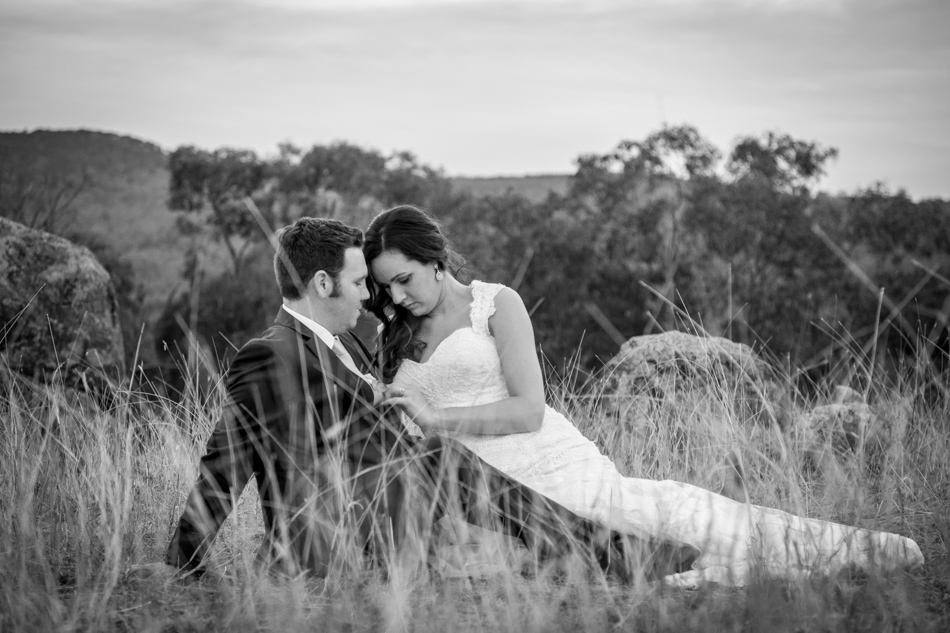
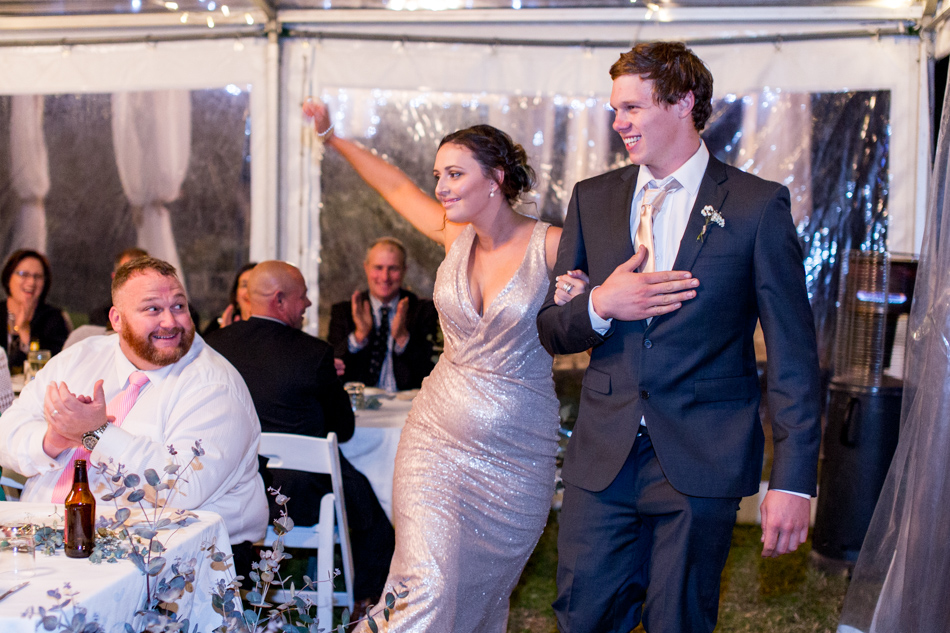
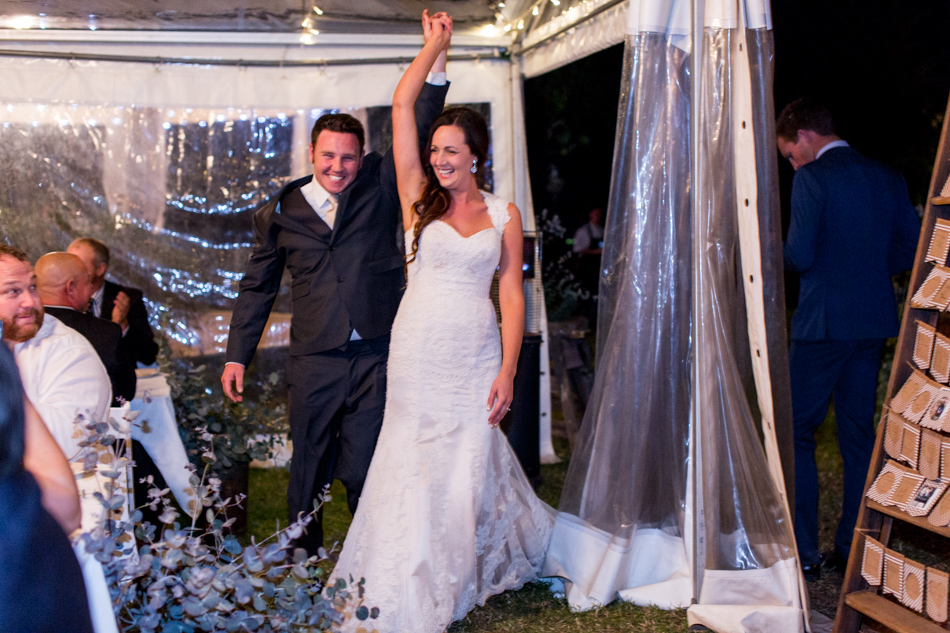
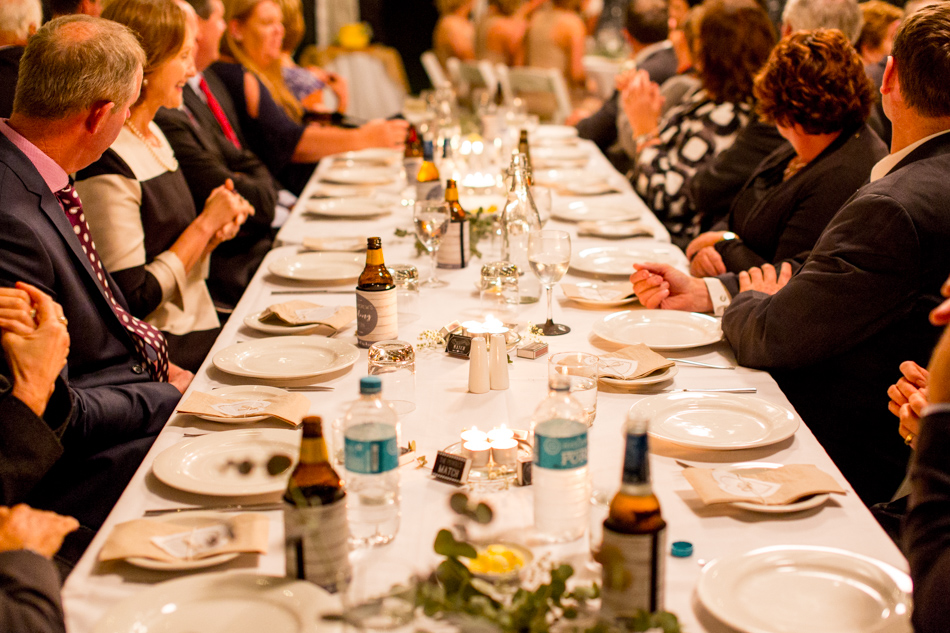
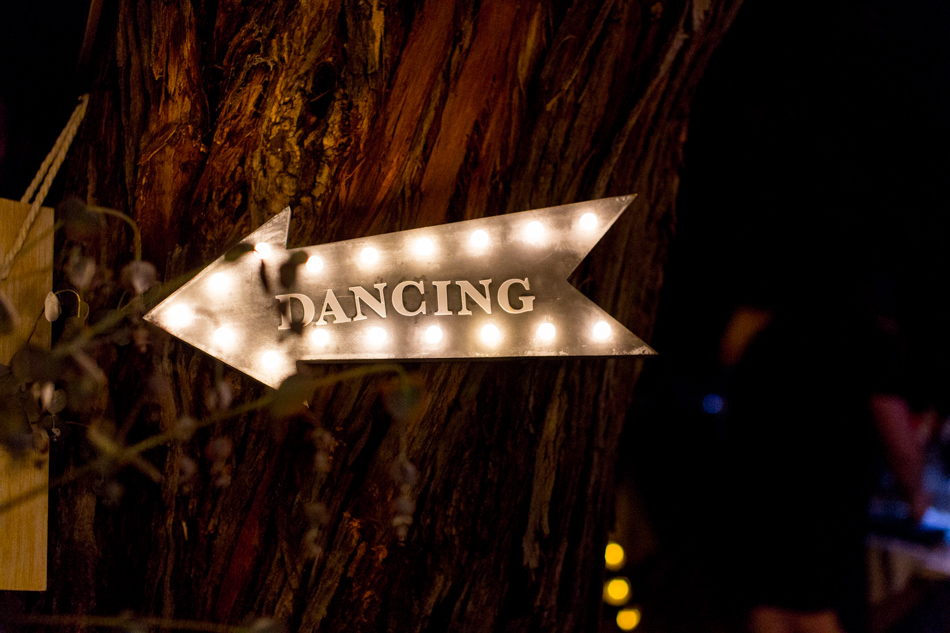
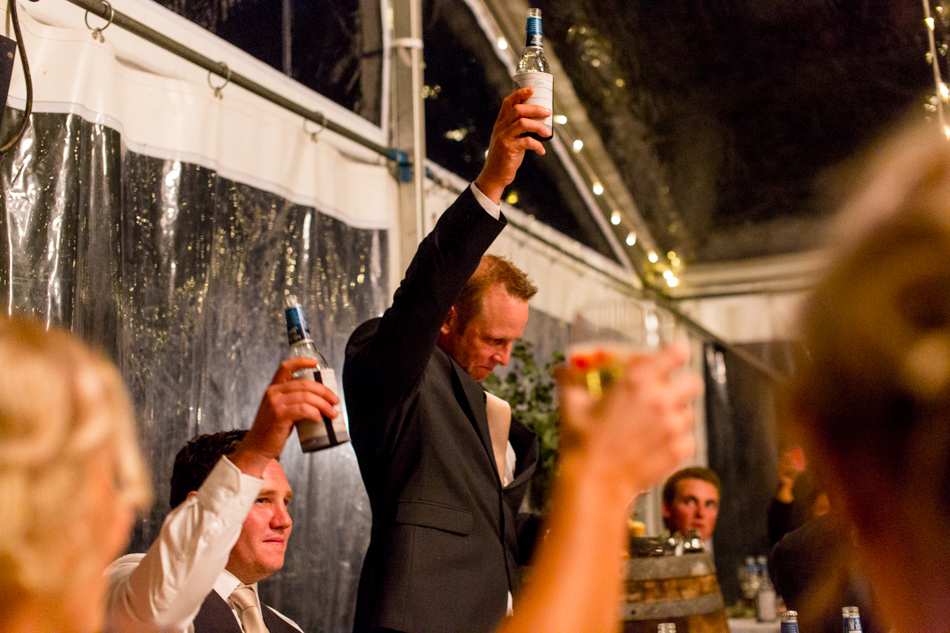
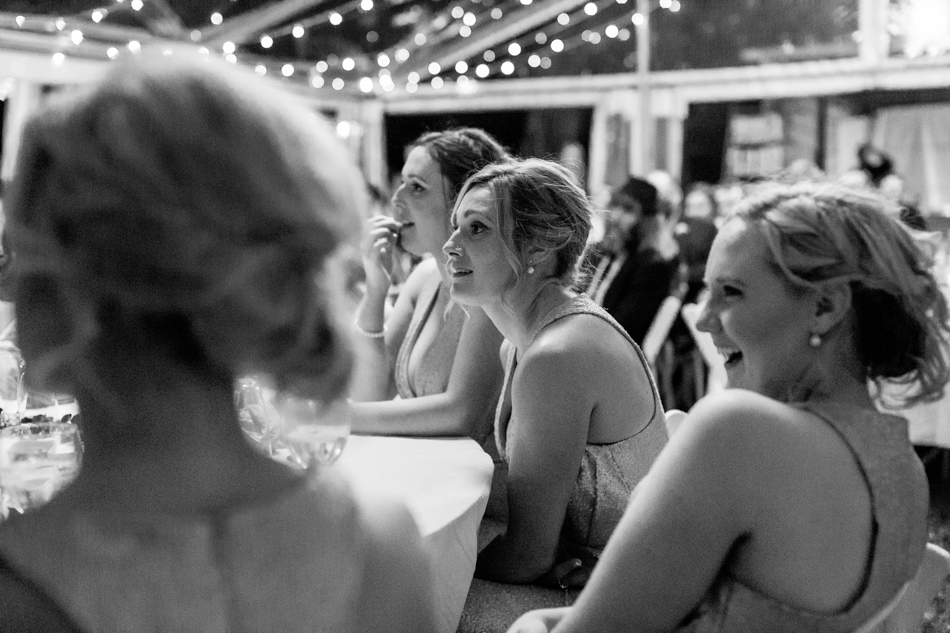
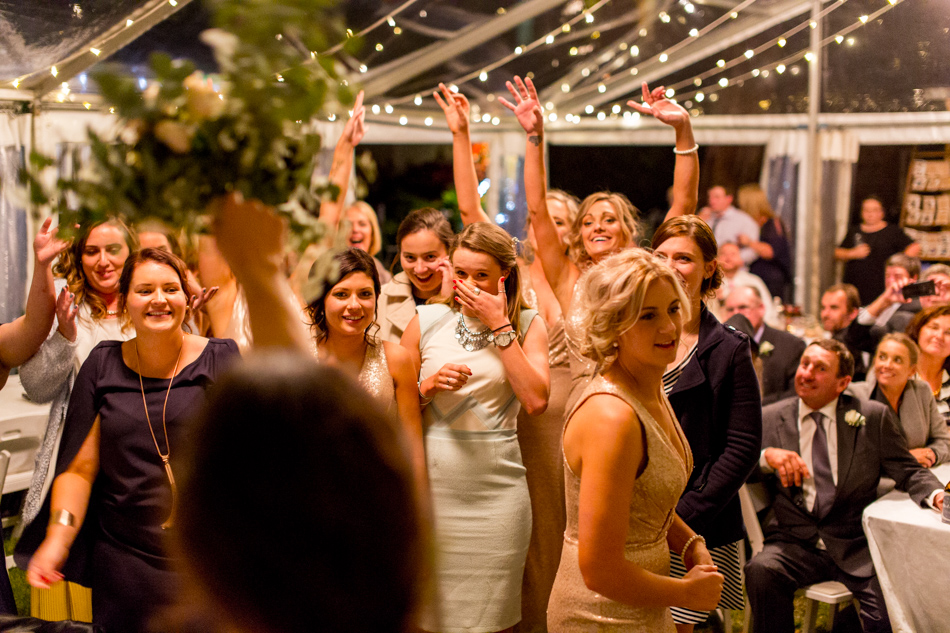
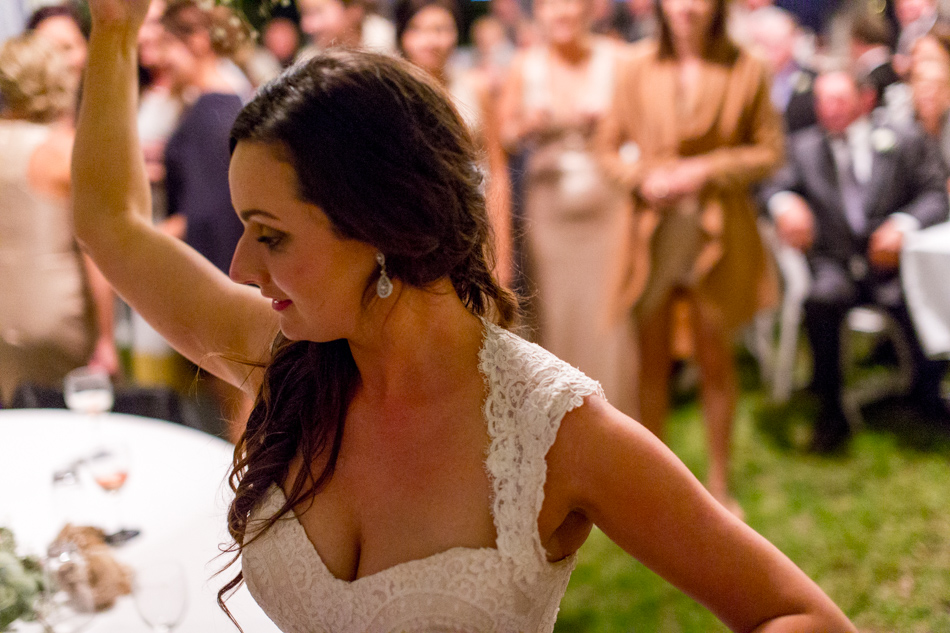
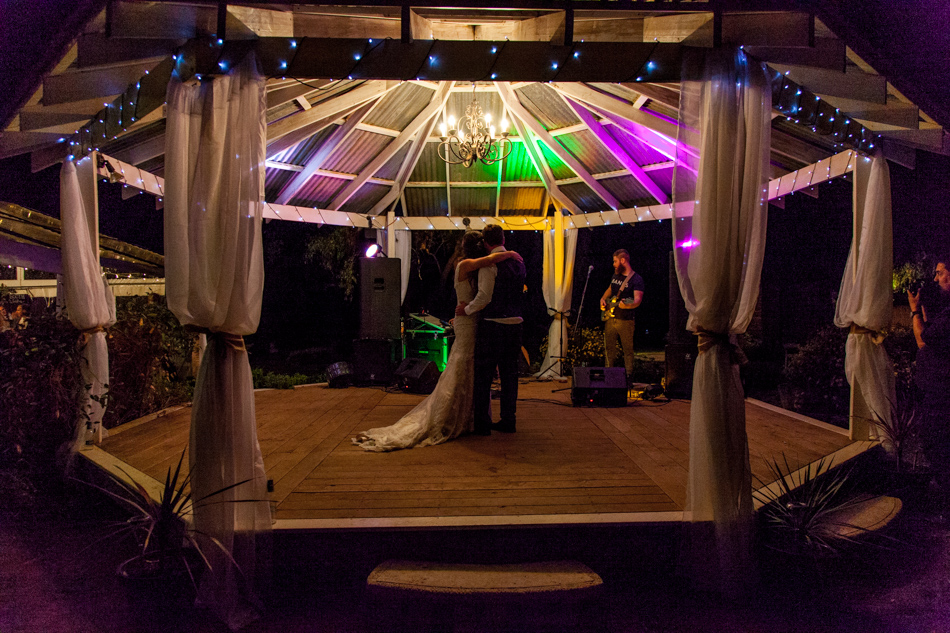
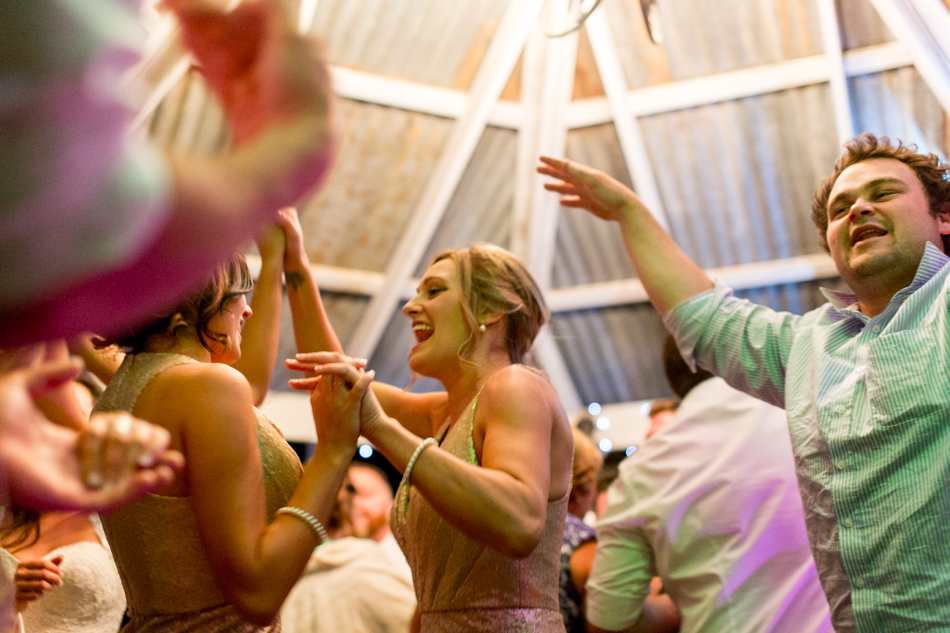
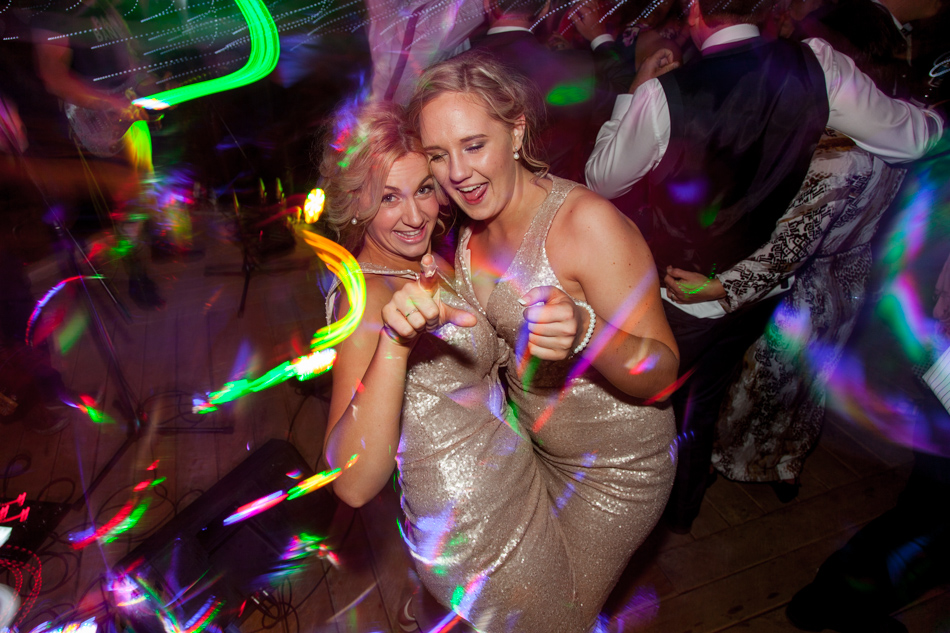
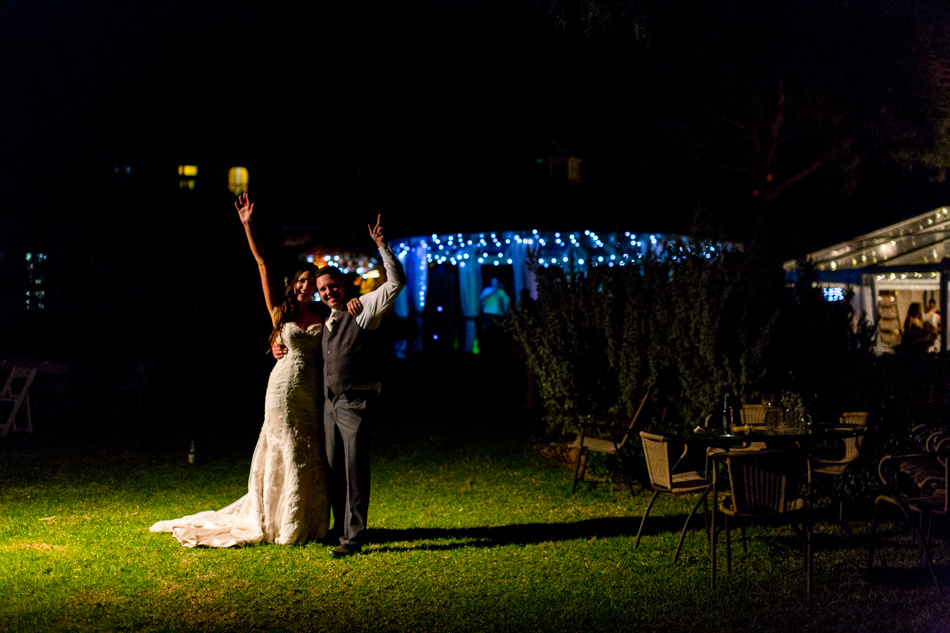
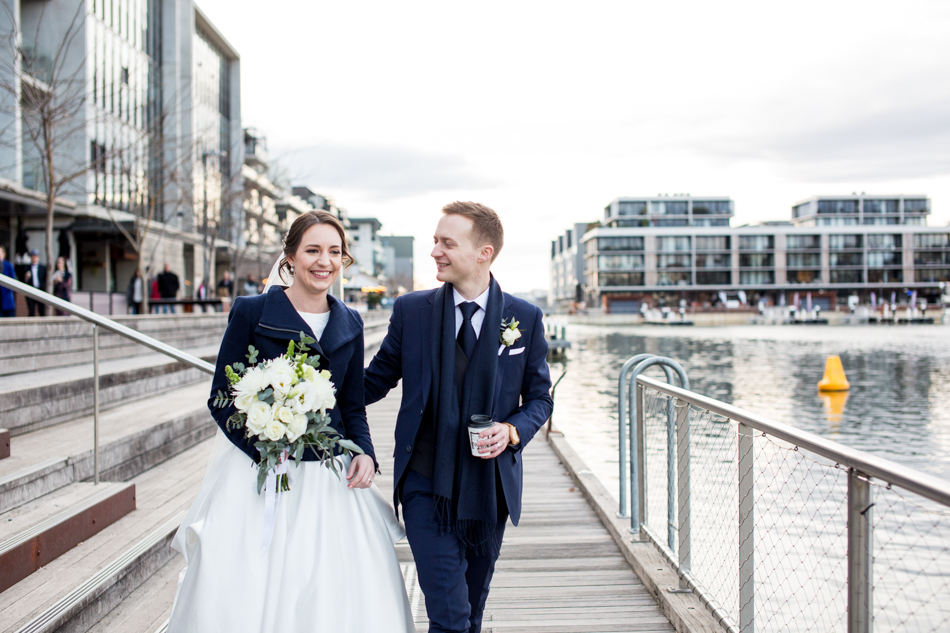
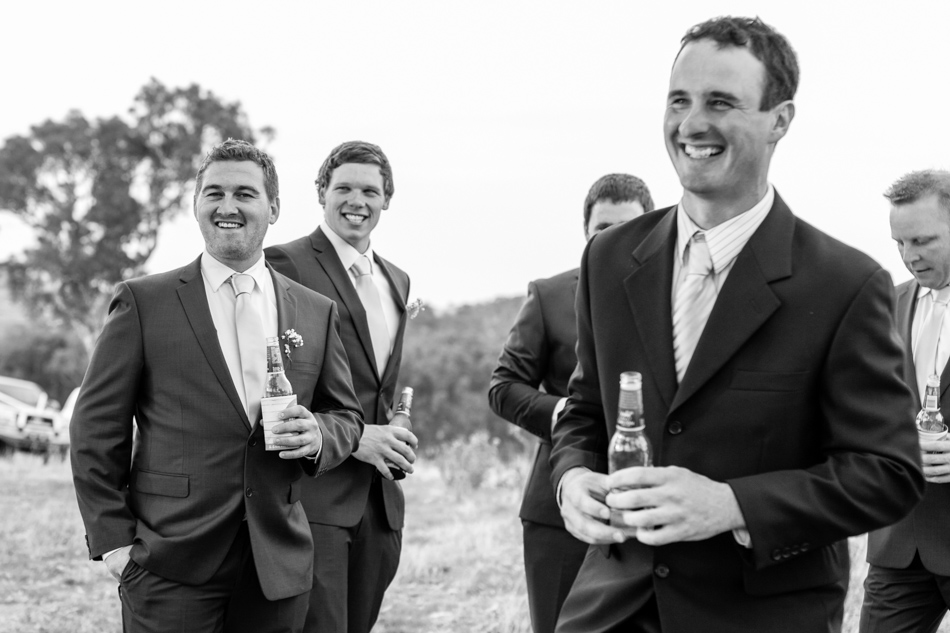
    It was my absolute pleasure to photograph my friends, Sam and Rosy, in 2019. This will potentially be the last wedding I photograph professionally. In April last year my editing software died, I sold my second camera and I’m firmly entrenched in a full-time role elsewhere. Seasons make way to new seasons…this is, traditionally, the role weddings have played for couples throughout history, opening the door to a new season, while closing the door to the one previous.

    After photographing dozens of couples over the years, both with the incredible Thorson Photography and then under my own moniker, I’m happy to lay the tools down to direct my efforts elsewhere.

    Sam and Rosy’s wedding will remain a favourite for many reasons, not least as a full stop in my own life, but also as Rosy is a dear friend and a wedding is always just that little bit more special when it’s personal.

    Sam is a talented digital artist in his own right so he actually edited my raw images (the only way I would have managed a wedding at that point in time). Following are just a few of the photos that I edited for them.

  • Canberra City Planning – cycling

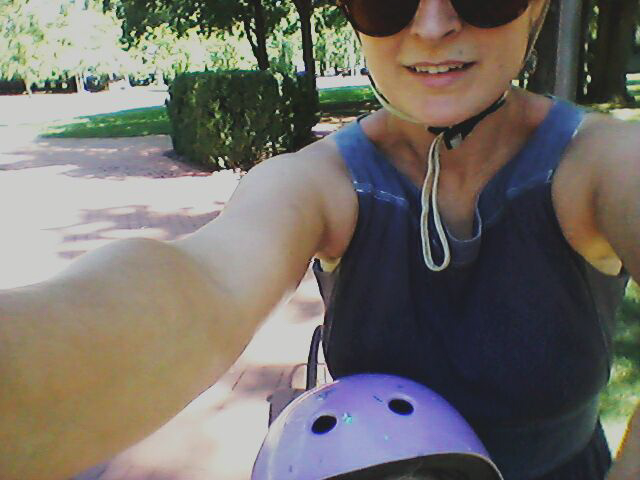
    I get on my bike as often as I can. This can be tricky with three kids but my older two are competent cyclists and my youngest is very easy to put into either of my three options – front seat, back seat or trailer.

    Having a bike trailer is a game changer for a mum – probably for anyone, but it makes a family so much more portable on bikes, increasing crucial lugging capacity, and, I have found, is well worth the investment!

    So, we cycle around town as much as we can.

    This is one benefit of living in the inner-north that I would not want to give up in order to settle out in one of Canberra’s sprawling suburbs. Being able to cycle to events, the pool, the library, the supermarket and friend’s houses enhances our lives is worth the sacrifice of extra space for a large garden. We are satisfied with our small one (which is jam-packed with veges) and more than satisfied with being able to walk and ride to close-at-hand amenities and luxuries, rather than guzzle up fossil fuel (and extra time) to get there.

    So my cycling around town is an urban planning matter. It is closely linked to how we build our cities, how we are building Canberra.

    Canberra is about as good as it gets for commuter cyclists in Australia. This is unfortunate because Canberra could be better. Fortunately, from what I can gather, ACT’s current government does seem to be pro cycling and active travel, pro medium to high density in parts  (personally I am more in favour of medium density over high density in this city) and, I am hoping, also in favour of creating human scale, hospitable, fun and friendly public spaces. These things are all key to creating equitable, friendly cities where people do not have to rely on a car to get around.

    In my cycle from Dickson, through O’Connor, into Civic and on into the Parliamentary Triangle and back again I encountered a range of cycling conditions. From my house I have to cross a busy intersection. This can be a little frightening with a 7 year old dare devil who loves to scream down the hill, “check your brakes!” I often call to him, not that it makes any difference. Then it is a squishy ride down a narrow but fairly quiet path to the main riding throughfare which runs from Dickson College right into The Australian National University, and on to Lake Burley Griffin, where offshoots can take you into various southern suburbs along idyllic rides by the lake. This path took me just a few block from the city centre where, after navigating a couple of less than desirable paths (caused by tree roots, so I won’t complain, I’d rather have the trees) I easily parked and did some grocery shopping.

    This leg, my friends, was a journey easier than a car trip in peak hour and having to find and pay for parking in some of the storied car parks attached to the shopping centre. It included the added bonus of feeling the wind in my hair and a particular feeling that I was truly alive! If there is any feeling closer to flying than actually flying do tell because riding on a hotmixed Canberra bike path on a bike feels as much like it as I’d care to know!

    After this we went on to the triangle where I made sure to take the Eastern bike path along Commonwealth Avenue bridge so that I could slide off onto the bike path taking me (along with twenty-odd mums with prams and various joggers and people in business attire) right to the back end of the National Gallery where I parked my bike and took my bonny daughter in to their excellent play space.

    Canberra-Cycling-Mum (1 of 1)


    Truly, being a mum of a little one in Canberra does feel positively utopian at times!

    The journey back home again was equally straightforward, except for finding a new, quieter, route home through Reid, which is yet another joy of cycling – adaptability and adventure.

    There is certainly room for improvement in Canberra, living location is certainly one important factor to being able to make this choice. My point is that it is definitely, in my eyes, a choice worth choosing. I prefer this mode of travel above all else!

    As Steve Jobs is attributed as saying: A bicycle is the most efficient form of transport. It is also, I argue, the most fun.

  • Linburn Handmade

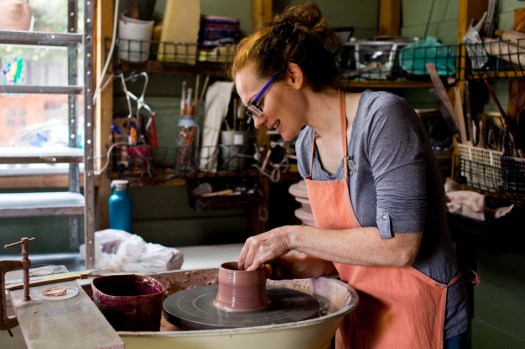
    I interviewed ceramicist Georgie Bryant on her work under the label Linburn Handmade, a copy of which appeared in Canberra City News (21/02/2018).


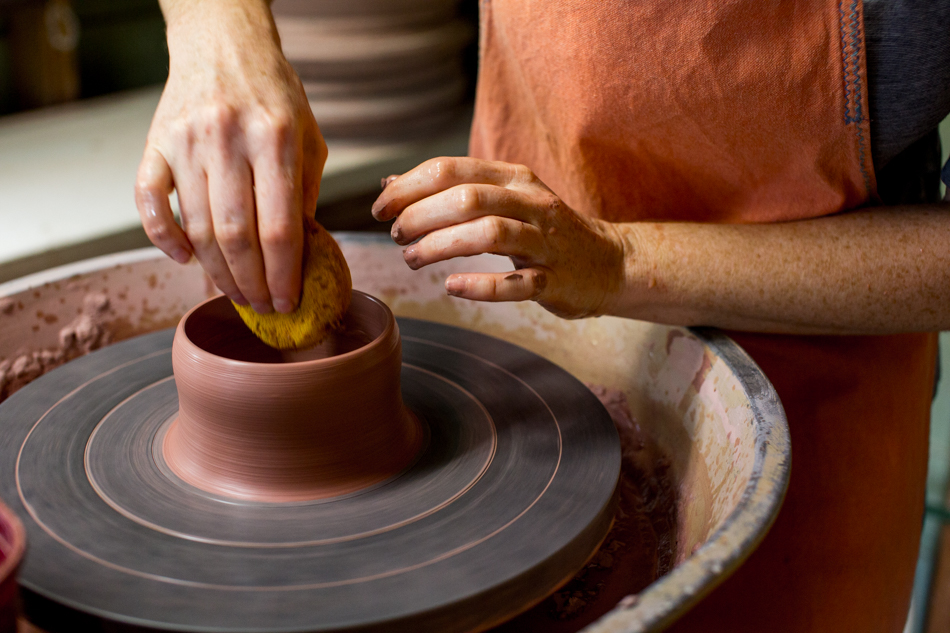
    In her lovely backyard in Canberra where she works out of her home studio Georgie tells me that her ceramics studio, Linburn Handmade, is about providing functional, domestic ware that is contemporary, earthy and honest.

    My focus has always been that ceramics can be beautiful but it is also really useful. I like that clay is so everyday and functional. It’s practical, and what I want to give people is something that looks good and that they can use all the time,” she says.


    I wouldn’t say my pots are heavy and hefty, but there is a strength there, without them being too fine, I always try to balance beauty and function.”

    Turning her ceramics practice into a business was an organic process. After moving to Canberra for work she took up a pottery class at the Watson Arts Centre. She was struck and developed a passion for pottery which soon saw her working with a production potter before starting her own business.

    “I quite enjoy getting the detail right, the size and the form, which you need to do if you’re going to do production pottery,” she says, telling me that it becomes quite rhythmic over time.

    The name, Linburn, is a nod to her childhood home near Mudgee, NSW, where she was surrounded by her mother’s cherished porcelain and learned to make things with her father.

    “My dad is probably at the root of all this, unknowingly. He’s a really clever guy who can manufacture anything. He’s a farmer, and learned to build all sorts of buildings around New South Wales with his father when he was a young man. I couldn’t help but learn from them that I wanted to make beautiful and useful things.”

    The location still features in her practice, as she has been known to dig clay from the area to use in her pots, “there’s some nice clay out that way,” she states and I can tell that this passion for good clay and fine pots runs deep, as her eyes light up as she speaks.

    With a few large commissions in recent years it seems that interest in local, handmade ceramics is making a resurgence, something that could be related to a change in how food is thought about.

    “Food has gone from being something that we eat, to something that we talk about, look at and photograph. It seems to be everywhere and – I would say this as a potter,” she laughs, “but it seems that the natural progression is to ask, ‘if we care about what we’re eating, what are we eating it off?’ It could sit anywhere along the spectrum of being something mass produced overseas or handmade locally”

    I agree and we talk about how the slow food movement seems to have instigated a slow-made movement and we laugh over how this has almost intersected in our very plates as handmade ceramics merges with locally and mindfully produced food in our restaurants and cafes. It appears that Georgie’s work is an allegory for our times.

    Canberra’s dining scene is replete with passionate foodies, something which resonates with Georgie as she matches her passion with theirs and has no problem meeting their creative ideas with their own to come up with the perfect, unique solution for their tableware.

    The creative process is kind of fun. There’s a hunt for the right design, the right glaze and how it’s going to look.

    I’ve stood in cool rooms with chefs, looking at pork knuckles, to understand what is going to go on the plate. They are all about the food being right and I’m all about the plate being right and then we have an overlap where we have to be right together which is not just technical, it’s got to be affordable, I’ve got to be able to reproduce it, it’s got to be attractive and it has to make sense with the food.

    It’s like a puzzle and I enjoy working with others and challenging myself as well.”

    In the end, she says, “It’s sheer delight when I wander past one of the restaurants where my plates are and see people having a nice time, maybe not everyone is thinking about the plates, but it’s all part of the picture.”

    Georgie can be contacted for commissions and sales through www.linburnhandmade.com, she also stocks ceramics at the Watson Arts Centre, www.canberrapotters.com.au.

  • Canberra’s Homeward Bound Women

    It was a pleasure and a privilege to interview Susan, Nicole, Aparna and Madeline for City News recently. You can read the interview here.

    When I met Madeline I was immediately enthused to learn about the leadership program which accepts STEM (the common abbreviation for Science, Technology, Engineering and Mathematics) women from around the world to mentor and equip for future leadership in a world where “mother nature needs her daughters”. After a year of mentoring Homeward Bound then takes these women on a journey to Antarctica for further intensive training, networking and to fall in love with one of the furthest corners of the planet.

    I really resonated with Nicole’s comment that, “of course it should be based on love,” because I believe it too. It is falling in love with our beautiful planet home that is the motivation for changing the ways in which we live, for taking what might seem like a sacrificial hit in order to mitigate the damage we might otherwise perpetuate.

    When we develop an actual relationship with the energy of the life around us then it becomes easier to do no harm. We see better the effects our actions might have on other living things and on the systems supporting us.

    It’s great that scientific knowledge supports this and now leaders are being equipped to bring this knowledge and, hopefully, this relationship, to bear on the realms of government, education, society, business and other fields.


  • Portraits on an album

    It’s been two years to the day since the release of The Burley Griffin’s eponymous album which, I am happy to say, featured photography by me of my father and nephew (also lead singer, Evan Buckley’s nephew). Although I am incredibly thankful to have some of my photography out and about in the world in this way I did nothing at the time to mark this occasion apart from attending and dancing at the album’s launch, which was, in itself, pretty fantastic. So here then, in gratitude and to mark the anniversary of what, I think, is a wonderful album, are the photos I took of my dad and my nephew.

    It was quite an involved but thoroughly enjoyable process to work with Evan to get the feeling of these photos exactly right. We looked over literally hundreds of images and went through dozens upon dozens of edits to get it just right. In the end it wasn’t quite what he initially expected (he imagined getting the right image from an older nephew, but in the end his youngest captured the feeling he wanted in this album), but it was just what he wanted. We contrasted gritty and pure, weathered and fresh, sharpness and softness and darkness and light in order to create a package that reflected on all these things which are also contained in The Burley Griffin’s songs.

    Photo by The Burley Griffin

    The album is still able to be purchased through Bandcamp and Evan still actively performs as a solo act and occasionally under the auspices of The Burley Griffin as well.

  • Animal, Vegetable, Miracle

    Animal, Vegetable, Miracle: A year of food life. by Barbara Kingsolver, 2007. Published by HarperCollins.

    Animal Vegetable Miracle

    I found this book (and, coincidentally, its author) in the year of its 10th Anniversary – that is, 2017. Barbara Kingsolver, being unknown to me, appeared to be a passionate writer whose voice I did not find to be completely at ease in this tale of non-fiction, chronicling her first year as a Locavore in a small farming community in Virginia, USA. I found the narrative slow in places, obstructed by a few too many by-the-bys and overly wordy lines. Still, she skillfully weaves stories together, linking elements throughout each chapter so that by the end I barely realised that I had walked with her from Spring’s muddy swan song, through Summer’s dripping harvest and on to Winter’s comfortingly generous larder. A whole year of eating well and locally.

    It’s a subject I’m keenly interested in as it is exactly what myself and Hendrik have in mind to do in the nearest possible future. As hopeful future farm dwellers I duly note with importance that, generally, it can be quite impossible to live sustainably in a rural setting unless one turns toward subsistence living in a major way (Moriarty 2002, 243). While the term denotes an aspect of just scraping through by the skin of ones teeth, Kingsolver’s testimony is that such a life is full to the brim! Busy and hard work it sure is, but nevertheless also richly rewarding, deeply satisfying and quite (and quietly) attainable.

    Her account of “harvesting” her chickens seemed also well within reach. It is, in fact, this moment around which her whole year of living locally hangs because what’s a year of eating without a central protein source? And if it’s not tofu imported from Japan, rice imported from China or beans imported from Mexico or Italy then it either has to be beans from ones own garden or meat. Local meat. And the most local meat is your own. If you have land enough and excess produce enough then raising your own fowl or hoof is almost a no brainer, which is not to say that it does not constitute a good deal of thought.

    Thought is what Kingsolver treats us to with this account. Thought about how GMO plants can cause more havoc on living creatures than the local slaughterhouse, about how pesticides dole out their own deal of death to innocent creatures, up through the food chain and about how the industrial food machine does not exactly treat the earth, and therefore its animal inhabitants, kindly, at all. Her issuing of Kahlil Gibran’s ode to the animal at slaughter is perhaps about as profound as we can get around the subject of eating meat ourselves, though some may find this wanting, which I do respect. It’s a tricky subject and I find no perfect solution.

    “When you kill a beast, say to him in your heart:

    By the same power that slays you, I too am slain, and I too shall be consumed.

    For the law that delivers you into my hand shall deliver me into a mightier hand.

    Your blood and my blood is naught but the sap that feeds the tree of heaven.”

    I myself am a meat eater, and Kingsolver’s call to Locavory is the most genuine call to eating meat, in respect to the cycle of life, that I can so far imagine.

    For someone wanting to know more about the how-on-earth-can-it-be-done of subsistence farming, or self-sufficient farming (which Kingsolver also renders a myth, as much of her ability to subsist depends on a close farming community) then this is a good book to turn to. With a tenth anniversary addition it even seems attainable for the long haul, in fact, much of the thrust of this book is that it is not only attainable, but it is essential and the reset point of much of history seems to be the return to local, family farming communities.

    In such a time as this I find that claim the most comforting I have come across recently.

    Reference:

    Moriarty, Patrick. 2002. Environmental Sustainability of Large Australian Cities. Urban Policy and Research. 20(3). 233-244.

  • Citified Exhibition

    citified-exhibition-web-92-of-188

    Rosy Wilson’s debut exhibition was held at the niche Anvil Design Studio in the hipster hub of The Hamlet. Sadly this well-loved nook has been bookmarked for development ‘upgrades’ which will see Canberra’s alternative crowd yet again bumped…but don’t worry, it’s so good, it’s reincarnating.

    citified-exhibition-web-32-of-188

    Rosy’s Citified focuses on the fashion capitals of the world, New York, London, Milan and Rome with Sydney, Venice and Wellington also getting a look in.

    citified-exhibition-web-65-of-188

    As an architect Rosy’s interest in cities is natural but her paintings veer away from merely harsh, architectural lines by involving a human element through figures in the motions of daily life, softening the built environment and drawing the viewer into the action of city life at eye level. In her cities life is good, the sun shines and buildings are resplendent in the acrylic coating she has given them.

    citified-exhibition-web-109-of-188
    Favourites are the glint of light reflected off a passing London cab, reflections in the glass of a New York office block, the azure of a Wellington sea with tiny figures enjoying a sunny day and the relaxed atmosphere of a Sydney waterfront.

    citified-exhibition-web-57-of-188
    One can not help but feel somewhat cheery and optimistic after seeing cities beautified in her paintings. They are clean, friendly and assertive. It is refreshing to see an artist with such lack of pretension and obvious talent drawing our attention to what is positive in the world.

    citified-exhibition-web-187-of-188

    You can see Rosy’s work here and connect with her on Facebook or Instagram to keep abreast of upcoming work and exhibitions.


  • The Wife Drought {Book Review}

    the-wife-drought-book-review

    I have finally read the luminous Annabel Crabb’s The Wife Drought. Annabel Crabb is an utterly reassuring person. What she contributes to our collective, Australian psyche is hard, I think, to overestimate. The fact that she has also reproduced (both the paper kind and flesh-and-blood kind) gives me hope in our collective future. She is the new kind of Aussie Character, taking over from the “Aussie Battler”, smart, energetic, witty, well dressed and so, so nice with her self-effacing grin softening every probing question.

    How could you not totally adore her.

    I have long loved her via Kitchen Cabinet, that rare gem of good television (thank you, ABC, you little ripper), and this book firmly entrenches Annabel (let’s not defer to last names here) as my number three celebrity crush. (Adam and Hugh are alongside her in equal ranks. Adam because, like Annabel, he effuses a new kind of Australian: eloquent, engaging and erudite. Hugh because as much as I like to see upandcomers do well it’s also good to see a nice British toff get all environmentalist and reformist, though I’m sure he makes a bit of cash off the back of it. Nevermind. I like him.)

    So, I guess you can see, I rate the book. I do. She offers stats, data and interesting little anecdotes supporting the need for more help for women wanting to get back into the workforce. She relates to our common humanity, my favourite line: “My definition of breaking point is when you communicate exclusively in shrieks and can only work while drunk.” Oh yes, you get us, don’t you, Annabel! You know what it is like to be totally and unshakeably human. She does not downplay the challenges in living a balanced, or even unbalanced, life in Australia. She knows the statistics tell personal stories. She knows these matters are complex, and often personal, so she gives them careful treatment in all their shades of grey.

    Not least she skirts very close to something I have long held questions about. That is that, yes, people do need the fulfillment of meaningful work, people do need to invest in their super so that they can retire without having to go dumpster diving (though some might enjoy that…aging hipsters?) and yes, careers can be fun but…men too need lives…and so she flirts with the unstated question: Do women actually have it pretty good in being (culturally acceptably) able to take several years off work (notwithstanding what that does to one’s professional life), but are men, therefore, missing out? So, perhaps then the single thing keeping women out of boardrooms is not just inequality of opportunity (i.e. no wives). The opposite side of that coin is that, well…maybe women don’t want to be competing in the workplace, not because it’s too difficult, but actually because they’ve got it worked out: family life is the good life! (If only it paid Super)  It’s the unasked question that Annabel doesn’t utter. And in uttering it myself I can happily say that I gladly “took time off” to raise kids (eight years in fact) and didn’t doubt myself or utter curses at the universe in the process. I wanted to do it. I would do it over. It would be nice if someone had contributed some super while I was doing it but…it was worth it. Many of the other mums I’ve met on the giggle and wiggle circuit feel the same. When I’m still working at 70 I’m sure it will still be worth it, because I’d rather work then than then, if you know what I mean. In fact, now, spookily mirroring the words of this book, my husband wants a turn. Having Annabel’s words cheering me on and validating this new turn of events is giving me the confidence and empathy to, why not, let him have it! It’s time for me to move over and let a man have a go, to switch the terminology around.

    Despite only fully unpacking one side of this coin, Annabel moves between stories like mine and national statistics (or lack thereof) taking us along on a rollickingly good ride with herself as the compere. She does a bloody good job of it and by the end she has us all convinced (not that we weren’t already) that yes, women do need wives! And also, yes, men need lives! I’m all for her advocacy of a little bit of switcheroo happening in the spirit of give-and-give so that we can all ride the merry-go-round together in a spirit of sharing the load, whether that’s domestic servitude or corporate slavery, power broking or block building.

  • Andrew & Sara

    Andrew & Sara

    Andrew and Sara’s wedding was held in the tiny town of Bethungra where they run The Shirley Hotel B&B. They’ve put a lot of work into this place and it would have been a no brainer to hold their wedding there in the superb grounds. Sara’s immaculate attention to detail spanned every aspect of this wedding which meant that the day itself was reserved for partying – which they did, with great gusto!

    Thank you for having me, Andrew and Sara, you built some beautiful memories on this day that I am glad to have witnessed!

    andrew-sara-web-3 andrew-sara-web-13 andrew-sara-web-14 andrew-sara-web-18  andrew-sara-web-29 andrew-sara-web-31 andrew-sara-web-33 andrew-sara-web-35 andrew-sara-web-40  andrew-sara-web-44 andrew-sara-web-47 andrew-sara-web-49 andrew-sara-web-56 andrew-sara-web-59 andrew-sara-web-61 andrew-sara-web-70 andrew-sara-web-75 andrew-sara-web-83 andrew-sara-web-85 andrew-sara-web-92 andrew-sara-web-101 andrew-sara-web-121 andrew-sara-web-139 andrew-sara-web-162 andrew-sara-web-165 andrew-sara-web-167 andrew-sara-web-170 andrew-sara-web-171 andrew-sara-web-172 andrew-sara-web-181 andrew-sara-web-187 andrew-sara-web-211 andrew-sara-web-213 andrew-sara-web-215 andrew-sara-web-229 andrew-sara-web-230andrew-sara-web-245andrew-sara-web-286andrew-sara-web-287andrew-sara-web-303andrew-sara-web-307andrew-sara-web-310andrew-sara-web-324andrew-sara-web-330andrew-sara-web-349andrew-sara-web-351andrew-sara-web-376andrew-sara-web-379andrew-sara-web-384andrew-sara-web-391andrew-sara-web-398andrew-sara-web-425andrew-sara-web-460andrew-sara-web-464andrew-sara-web-468andrew-sara-web-471andrew-sara-web-474andrew-sara-web-488andrew-sara-web-489andrew-sara-web-494andrew-sara-web-495andrew-sara-web-512andrew-sara-web-513andrew-sara-web-516andrew-sara-web-517andrew-sara-web-533andrew-sara-web-542andrew-sara-web-545andrew-sara-web-551andrew-sara-web-556andrew-sara-web-561andrew-sara-web-563andrew-sara-web-567andrew-sara-web-586andrew-sara-web-590andrew-sara-web-595andrew-sara-web-598andrew-sara-web-608andrew-sara-web-621andrew-sara-web-631andrew-sara-web-635andrew-sara-web-638andrew-sara-web-641andrew-sara-web-734andrew-sara-web-740andrew-sara-web-744andrew-sara-web-749andrew-sara-web-774andrew-sara-web-788andrew-sara-web-826andrew-sara-web-828andrew-sara-web-834andrew-sara-web-852andrew-sara-web-875andrew-sara-web-883andrew-sara-web-890andrew-sara-web-902andrew-sara-web-903andrew-sara-web-907andrew-sara-web-914andrew-sara-web-932andrew-sara-web-937andrew-sara-web-968andrew-sara-web-970

  • How to take Photos of Your Kids

    How to take Photos of Your Kids

    While I do think a good family portrait session is due every year or two, kids grow so quickly that you want to be able to document their growth on the run throughout the year, at least I do!

    There are two ways you can take children’s portraits:

    1. Force them, cajoule them, nag them, bark at them to “stand up straight and smile at the camera!!!”
    2. Let them run around while you play the stealth shooter taking snaps as they do their (beautiful, wondrous, magical) thing!

    I’m a fan of the second method (can you tell?) and I’m going to give you a few tips that will have you photographing your kids with ease as you live your lives together.

    To start with, the best camera is the one you have at the time! However, I’m a big fan of Fujifilm’s compact cameras. The x100s is a classic, compact and tough little camera. The versatility of the X-T1’s are also excellent for taking day-to-day family photos. They both have large sensors which means you are getting high quality, large format photos for a fraction of the weight (and cost) of the usual full frame DSLR cameras.

    Tip 1.

    Be conscious to take your camera with you when you know fun times are to be had, like picnics by the lake for example. Have it nearby-ish at home in case a beautiful, captureable moment crops up. Sometimes I can’t be bothered getting off the couch or exiting the moment to retrieve my camera and sometimes I do and the moment is over. It’s a judgement call. I think that sometimes It’s better to take a mental snap and forget the camera. It’s more important for your kids to remember you being a part of the action then always behind the camera.

    how-to-take-photos-of-your-kids-web-1-of-1

    Tip 2.

    While it’s good to leave the camera alone sometimes, I also find taking my kids out on a determined and purposeful photoshoot is a great way to have a fun time together, focused solely on them – my daughter especially loves it, and I’m sure my son secretly does!

    how-to-take-photos-of-your-kids-web-1-of-1-4  how-to-take-photos-of-your-kids-web-1-of-1-11

    Tip 3.

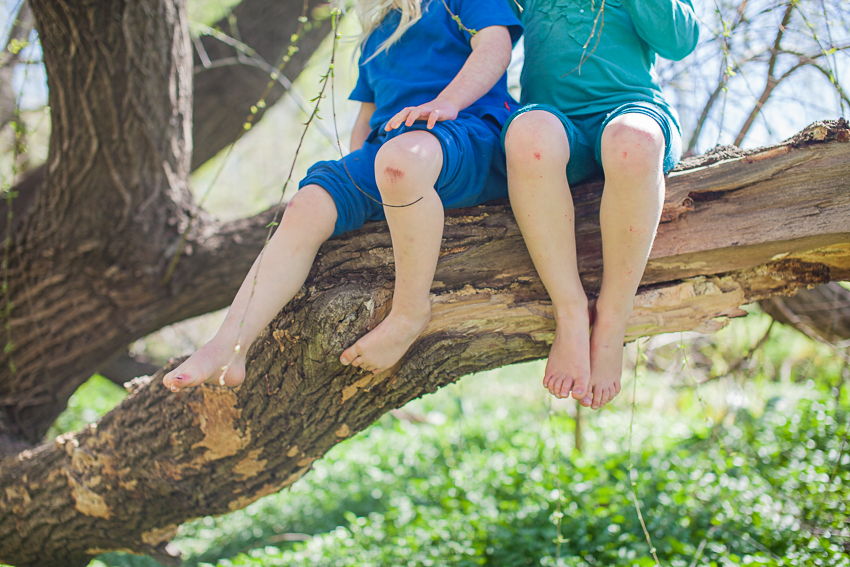
    Don’t just take photos of faces (There’s a tip about capturing faces following). Hands, body posture and activity are just as expressive and show the character of your child. A photo of their knees with grazes and all shows they were active kids and you’ll want to remember that too.

    family-photographer-young-nsw

    Tip 4. 

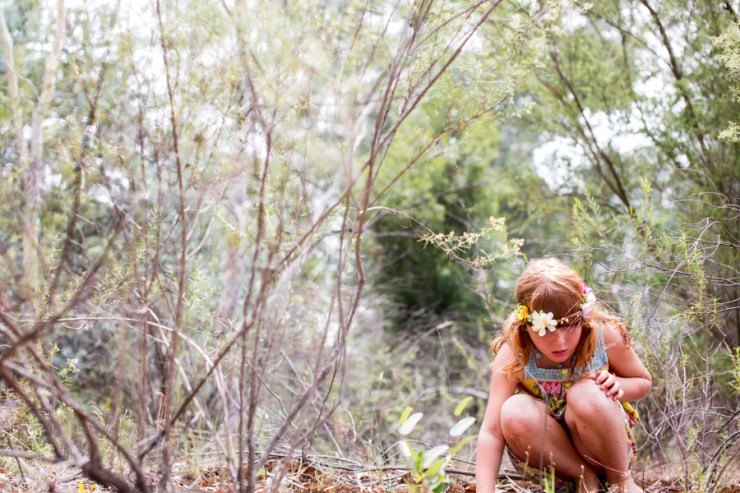
    Take photos of the details, a little flower in the hair, a cute hair clip or loved teddy, the detail of a well-worn shirt or dress. While the things in themselves may not be important, seeing them years down the track will bring memories of playing with hair, dressing your child, cuddling and even their cute voices and mannerisms from that time.

    family-photographer-young-nsw

    Tip 5.

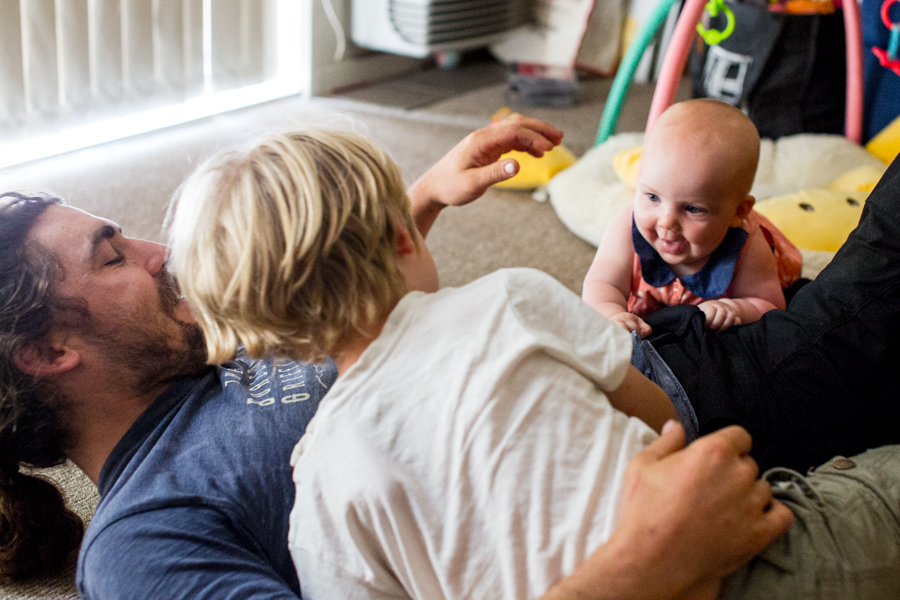
    Get down to their level! An easy way to drastically improve your capture is to make sure your camera is level with your subject. This is particularly important to remember when photographing a baby. Get down to their level and you get a truer picture.

    how-to-take-photos-of-your-kids-web-1-of-1-3

    Tip 6.

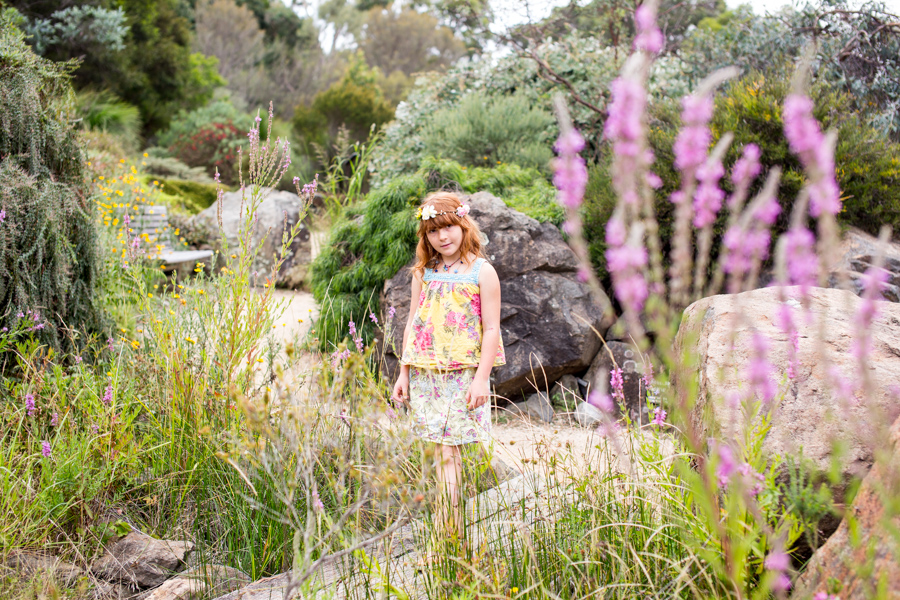
    When taking photos of faces, don’t assume they must be looking at you. My favourite way to take natural photos of my children is to have them looking at something, searching for the bugs on a bush or drawing with chalk on the pavement.

    how-to-take-photos-of-your-kids-web-1-of-1-10
    Set them up so your background is pretty or at least plain and not garish in any way and talk to them about what they are exploring as you quietly snap away.
    family-photographer-young-nsw

    Tip 7. 

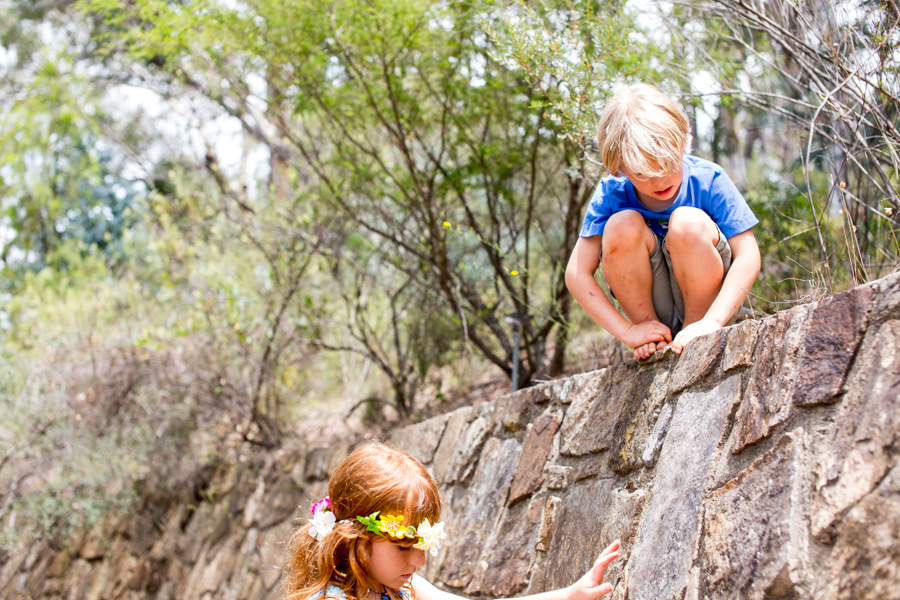
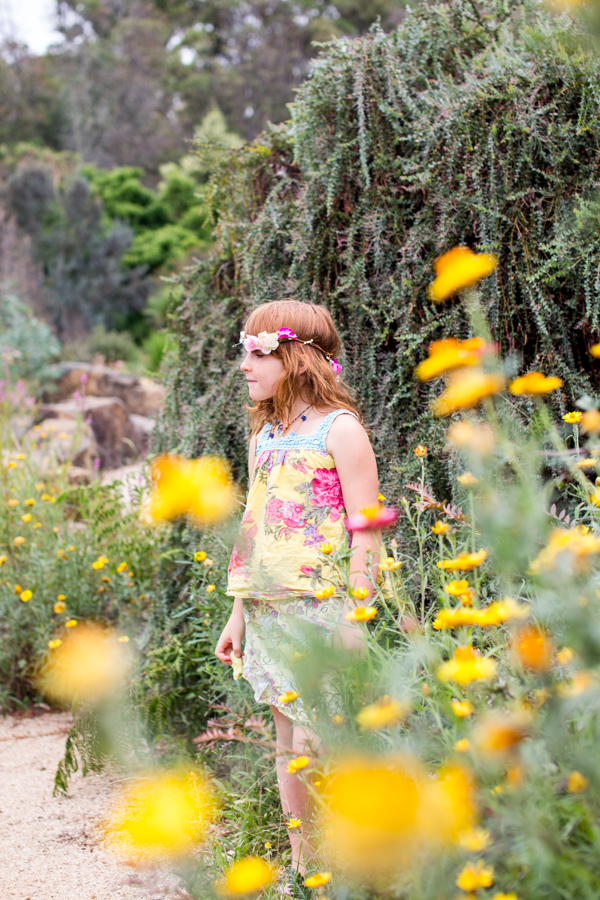
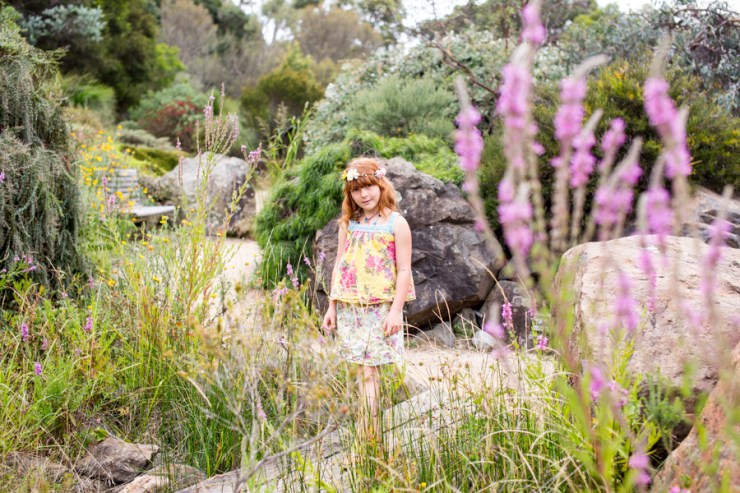
    Photograph through some foliage. It softens the whole effect and adds colour and depth to your photograph. Just have it a little off to the side so it doesn’t obscure important details.

    how-to-take-photos-of-your-kids-web-1-of-1-7

    how-to-take-photos-of-your-kids-web-1-of-1-8

    Tip 8.

    Embrace their ideas. Embrace the absurd. It might work out. More importantly it gets them on your side so you aren’t the one just directing them around…they might not play along if that’s the case!

    how-to-take-photos-of-your-kids-web-1-of-1-5

    Tip 9.

    When it comes to camera settings for kids make sure your shutter speed is adequate! Try photographing on a sunny day (but in the shade) so that your ISO (that’s your light sensitivity) is the best it can be (that is, the lowest it can be which reduces graininess). If you can set your shutter speed, do that – to at least 400 (which is 400th of a second), and let the aperture take care of itself.

    If you’re a little more savvy with your camera, having a wide aperture (that’s a LOW number, 2.8 – 3.2) makes for some stunningly dreamy photographs.

    But number one tip for all you novice photographers with a camera phone, just make sure it’s a sunny day and photograph in the shade, or a bright cloudy day is just as good (if not better)!

    Good luck! I hope you take the time to have your own little photoshoot with your children. A professional can take photos like these with you included, but doing it yourself is an entirely different and special experience!