A collection of resources and inspiration for fellow community builders & (wellbeing) economy nerds.
In a nutshell: localise, localise, localise.
Build places for people to: play, trade, work, live, connect. The people will build the economy. The economy must be bounded by place otherwise it gets out of control and inequality spirals. If we put people and economy into their rightful places the environment has a shot at recovering (rewilding).
Placemaking & Community
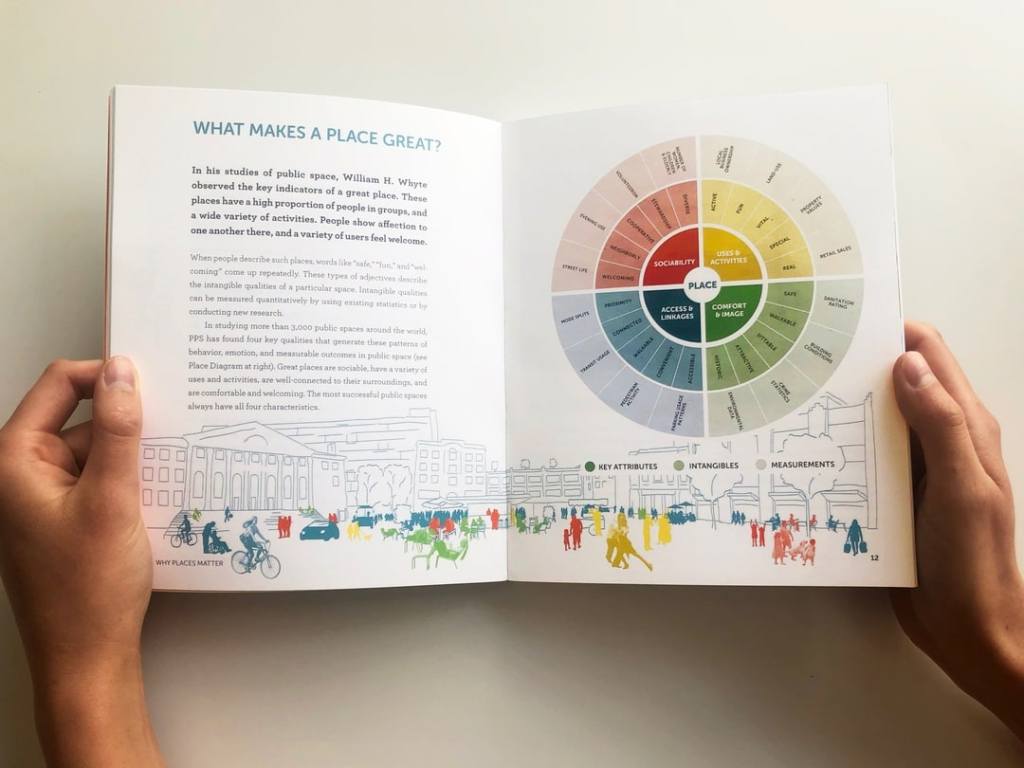
Project for Public Spaces is one of the leading placemaking organisations in the world. Start here for all things placemaking. https://www.pps.org/
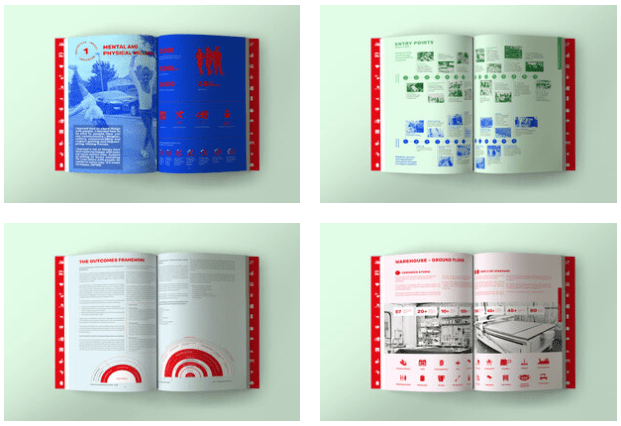
I can only recommend you spend some time on this website absorbing all that it is. A radical new way to approach our urbanised, multicultural communities. Every city needs this. http://www.participatorycity.org/
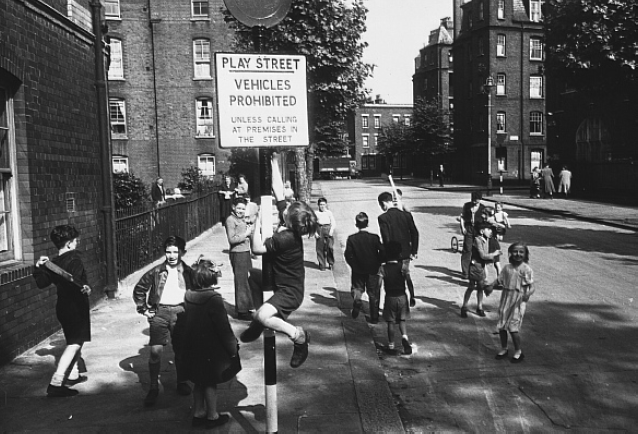
Full of accessible and inclusive ideas for building communities. Accessible is key in an increasingly multicultural world. http://www.communityloversguide.org/
While also containing loads of material to build the theoretical foundation of community development practice, BOIs undertake projects in Australia and overseas that “strengthen community building, local economic development and youth empowerment”. They host an annual conference which you should get to if you can. www.bankofideas.com.au
The Tamarack Institute is one of the foremost resources for community development in the world. Covering community practice, collective action, social sustainability, leadership and more, there is almost nothing you won’t find here. They host weekly webinars that will support you in your community practice. www.tamarackcommunity.ca/

The story of City Repair is just awesome (google Mark Lakeman Ted Talk) – it is a story of how unified, creative and productive people can work with councils and government to create strong communities. From their initial beginnings and a simple idea, their work continues to this day. https://cityrepair.org/
Best explained in their own words, “Transition is a movement that has been growing since 2005. It is about communities stepping up to address the big challenges they face by starting local. By coming together, they are able to crowd-source solutions. They seek to nurture a caring culture, one focused on supporting each other, both as groups or as wider communities. In practice, they are reclaiming the economy …” https://transitionnetwork.org/
Transition Streets emerged from The Transition Network in 2010, since then it has grown around the world. It is the practice of transition at a neighbourhood level, designed to move micro-communities toward sustainability by addressing energy, water, waste, food and transportation practices. http://transitionstreets.org/. The Australian site can be found here https://transitionaustralia.net/

Collaboration for Impact is a simple premise, but can be complex in practice, simply because it goes against the individualistic nature of our corporate structures, which can be either siloed in their approaches or self-interested in their aims. Collaboration requires deep work and Collaboration for Impact can provide the resources to get you there. The benefits to society are greater than individual action. https://collaborationforimpact.com/
Town Team can take you through the entire placemaking journey. https://www.townteammovement.com/
Jan Gehl is one of the original heroes of human-centred design in planning. His numerous books have guided the movement which includes all kinds of luminaries and advocates for proper consideration for people of all types, ages and abilities. It is crucial work for everyone to understand. www.gehlpeople.com

Various Writers. For me, it’s critical to continue immerse myself in the great communicators of our time in order to stay encouraged on this path that is, at times, counter cultural. These writers all teach me and encourage me: Peter Westoby, Charles Eisenstein, Helena Norberg-Hodge, Graeme Stuart, David Holmgren, and many Transition movements have their own websites where you can seek refuge from doing your own work at times. This is a good place to start.

Placemaking X brings together placemaking thought leaders and practitioners.
“Cities have the capability of providing something for everybody, only because, and only when, they are created by everybody.”
— JANE JACOBS
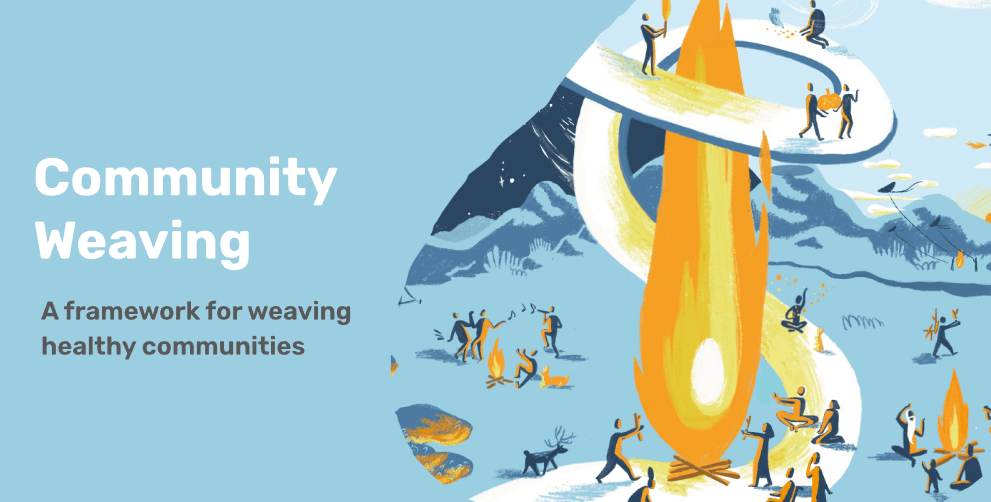
A beautiful new allegory for community development – community weaving. This resource is chock-a-block with things to sink your teeth into.

At the end of the day it’s all about relationships. Everything – our economy, our buildings, our places, our families, our schools, our environment, our sport, our art, our institutions, our politics – it is all about how we relate to each other and the earth that supports us. If things don’t support our relationships they will fail.

Another one about community weaving. This seems to be an American notion that is newly developing.
Economics, Business & Citizenship

You could start where it all began with Kate Raworth’s Book, Doughnut Economics, or you could start right here with action. This is all about changing the economic system that supports (or does not support) our lives on our earth. It’s a shift of perception and habit. https://doughnuteconomics.org/
And look here for more resources from around the world: doughnuteconomics.org/wider-movement
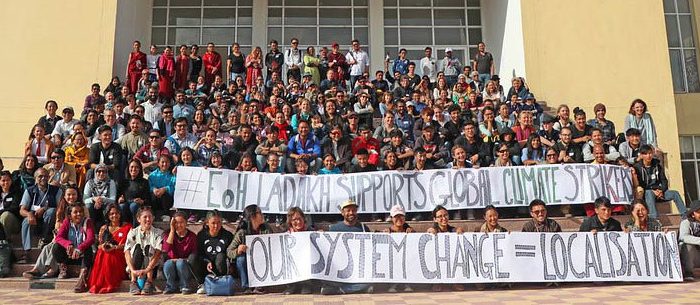
This could be the most important shift we make – a shift to local, to regain our cultural uniqueness, reflection of place and contract our consumption to something that is sustainable in the long-term. https://www.localfutures.org/

The Business Council of Co-operatives and Mutuals is the peak body for Co-operatives and Mutuals in Australia, advocating for and increasing awareness of their impacts. https://bccm.coop/
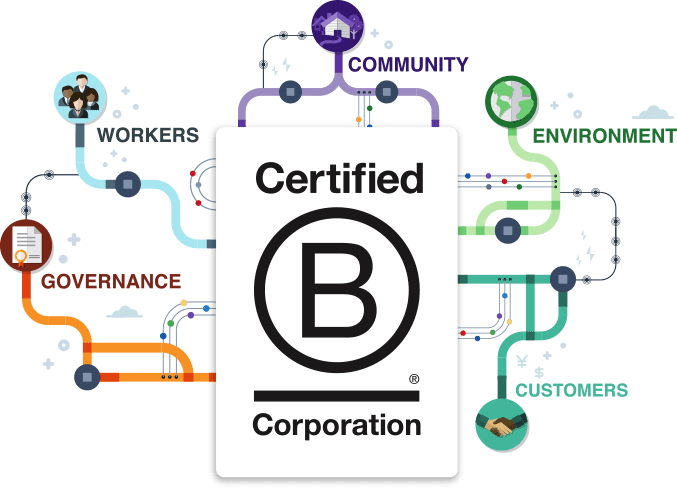
In their own words: “B Corp Certification is the only certification that measures a company’s entire social and environmental performance.” Imagine if every company were a B Corp! In other words, every company should be a B Corp. https://bcorporation.net/

Holacracy is management designed for humans, not factories. https://www.holacracy.org/
Similar to Holacracy, tools for more equitable workplaces and groups where the focus is not simply on attracting and retaining ‘talent’ but, instead on fostering and developing productive relationship, skills and ‘talent’. (P.S. The number one ingredient is a culture of social and psychological safety.) https://culturegarden.org/

Aiming to support a network of worker-owned, sustainable cooperatives across Australia, Earthworker started with a cooperatively owned factory producing renewable energy appliances and components in Victoria’s La Trobe Valley. You can also find ‘how to start a co-operative’ manuals on their site. www.earthworkercooperative.com.au
Mondragon is one of the world’s longest running and largest co-operatives. A rummage through their history is a slow waltz through the real journey of a working co-operative. https://www.mondragon-corporation.com/en/

The New Economy Network Australia are working toward an economy that has wellbeing and social justice at its heart through collective action. www.neweconomy.org.au

It is time for a degrowth economy, another name for it: the economics of arrival. Trawl through this database of articles to get your head around it all.

There’s a lot to learn about in this wiki regarding approaches to achieving a more sustainable society. Also a great (brief) run through on degrowth, or decroissance, or la decrescita, as the French and Italians say.
The Wellbeing Economy Alliance is worth affiliating. They’re an active group who are gathering people together to discuss and take action to move toward greater wellbeing for all.
Not just economy, also many, many other things. Small Giants has created a Master of Business and Empathy, epitomising the saying, “don’t get mad: create” – or something along those lines.
I aim to undertake one – one day. In the meantime there’s enough to read on their site to keep me busy a while.

This really should be up front. It is where it all began: The Club of Rome delivered one of the first reports flagging the future issue of climate change.
If only we’d listened harder back in 1972 when Donella Meadows wrote, and the Club of Rome published, the book Limits to Growth.
A tree only grows so big. Yes, there are limits and we’d better get on board with that before the growth turns cancerous (some would say it already has).

How bloody proud I am to be Australian sometimes. This makes me prouder still, one of the pioneering places where the ‘doughnut’ is being quantified and where an active community is seeking out what a regenerative city looks like.
Also check out their neat doughnut tool.

They offer two Masters courses in degrowth, economy, ecology and policy.
Case studies, articles, projects, CUSP (Centre for the Understanding of Sustainable Prosperity) is doing exactly what it says – seeking to understand whether, how, who, what and why of prosperity, sustainably.
The Democracy Collaborative also has a couple of offshoots worth exploring.
Food, Health & Environment

Market Cities is out to strengthen the social and structural fabric that supports public markets. Go to them to develop a system to foster and sustain existing and future markets in your place. https://www.marketcities.org/about

The Food Connect Shed is a fantastic example of a co-operatively owned enterprise that exists to support the local growers and entrepreneurs of the Brisbane region. https://www.foodconnectshed.com.au/
They say it best themselves: “Slow Food is a global, grassroots, non-profit, volunteer organization, founded in Italy in 1989 to prevent the disappearance of local food cultures and traditions, to counteract the rise of fast life with its unhealthy fast food — hence Slow Food.” There are chapters nearly everywhere with over 100,000 members in 160 countries around the world. https://www.slowfood.com/
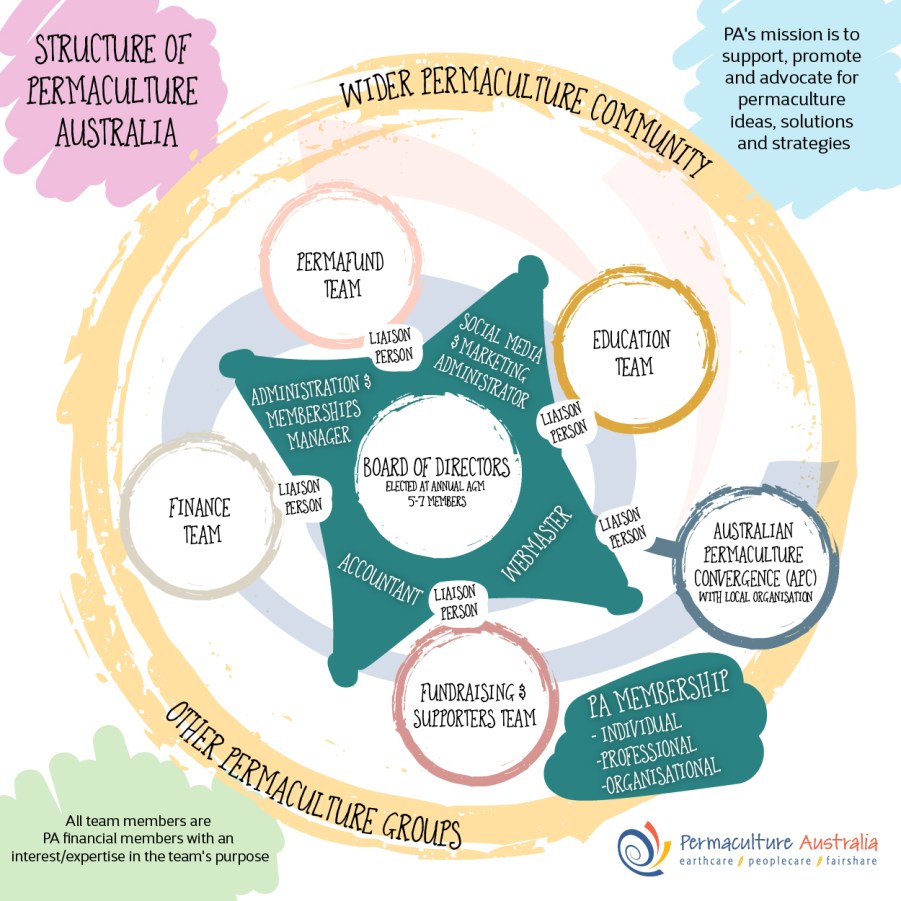
Permaculture is not just about food, but perhaps it starts with food. You could spend a lifetime being a student and practitioner of permaculture. This is a good place to start. https://permacultureaustralia.org.au/

This is both a handbook and a website. The emphasis is not just on food but also on our neighbourhood relationships and environments. It ties in to some of the other resources on this page, localisation, food production, urban environments and economies, all explored at the household and neighbourhood scale. It is also Australian based, which helps if you live in the country! https://retrosuburbia.com/
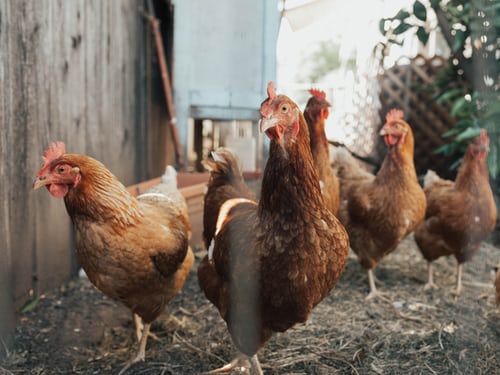
You can’t have good food without good soil and a healthy ecosystem. Get your hands dirty in your own backyard or street garden with Good Life Permaculture. goodlifepermaculture.com.au

Climate Factory is on a mission to reduce the heat island effect and increase our cities’ biodiversity through urban forests. The bonus is, they not only do this, they also bring people together and build community through action. https://climatefactory.com.au/
Sometimes the simplest ideas work the best. Get a few volunteers together, find a 5km track, kick off with a single investment (for the defibrillator) and then invite anyone and everyone along for a weekly self-timed run (it’s not a race). Instant community. You can now find Parkruns around the world and they can even be a tourist attraction with runners collecting the ‘alphabet’ of parkruns (each run is named after its location). https://www.parkrun.com.au/
Creative

The first time I saw Creative Mornings I just wanted to go to one. It is a wonderful approach to building the creative community of a city. Go find one or start one! The website also has some great resources for creators. creativemornings.com/

This stunning program has arisen out of Participatory City (see above under placemaking) in Barking and Dageham, UK. A brilliant and well-researched approach to developing creative communities. www.weareeveryone.org/

Big hART is one of the most exciting art organisations in Australia today. One of my favourite recent projects – bringing skateboarding onto the theatre stage. Why not!? www.bighart.org

The Naomi Milgrom Foundation supports some very exciting projects around Australia. It “champions art, design and architecture to improve Australian lives.” www.naomimilgromfoundation.org
Yet another good thing to come out of the 1970s. The Jam Factory’s Longevity is testament to its successful model. It’s not hard. Put several people in a warehouse with the freedom to create and they will do so. www.jamfactory.com.au

When it comes to collaborative workspaces the arts don’t need to have all the fun. The Joinery is managed by the Conservation Council and hosts a number of environmental and advocacy groups alongside a cafe and work or event spaces for hire. It’s difference is in that the building has been given to the community by the Government which enables things outside the norm to occur. This is a prime example of a community/government partnership. www.thejoinery.org.au

A New Approach undertakes research and analysis in culture and the arts in order to better inform policy and practice with “evidence-led ideas and pathways for pragmatic action”. www.anewapproach.org.au
Housing
Assemble Communities are doing great things for affordable housing. https://assemblecommunities.com/
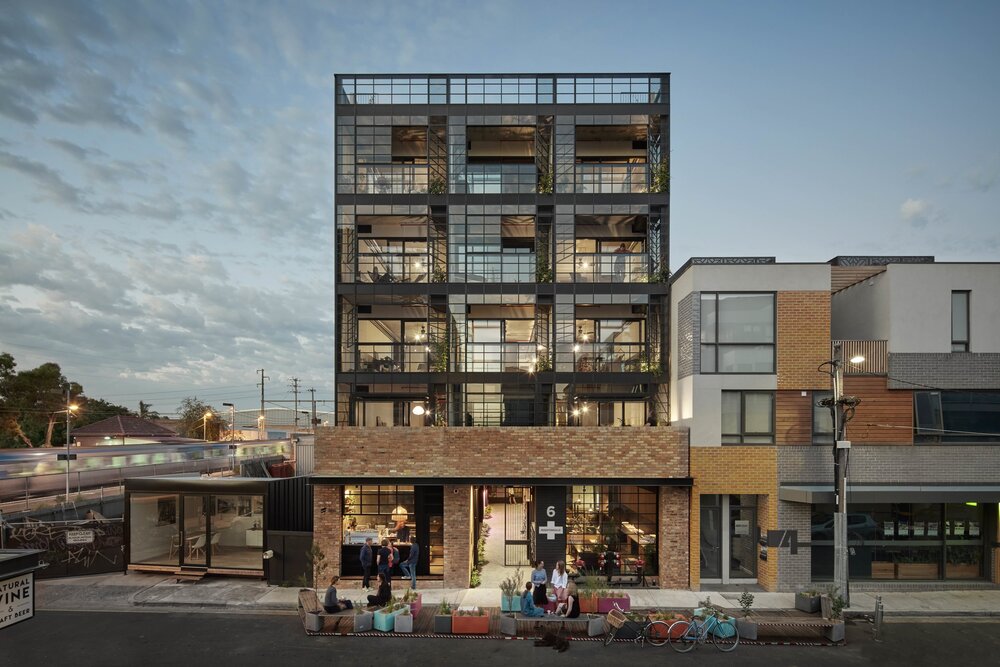
Nightingale in Australia brought a unique multiunit development concept to Australia. You can book in for tours at their Flagship Melbourne site. https://nightingalehousing.org/

Co-operation Housing is a not-for-profit working to develop WA’s co-operative housing sector. https://co-operationhousing.org.au/
Books and Films
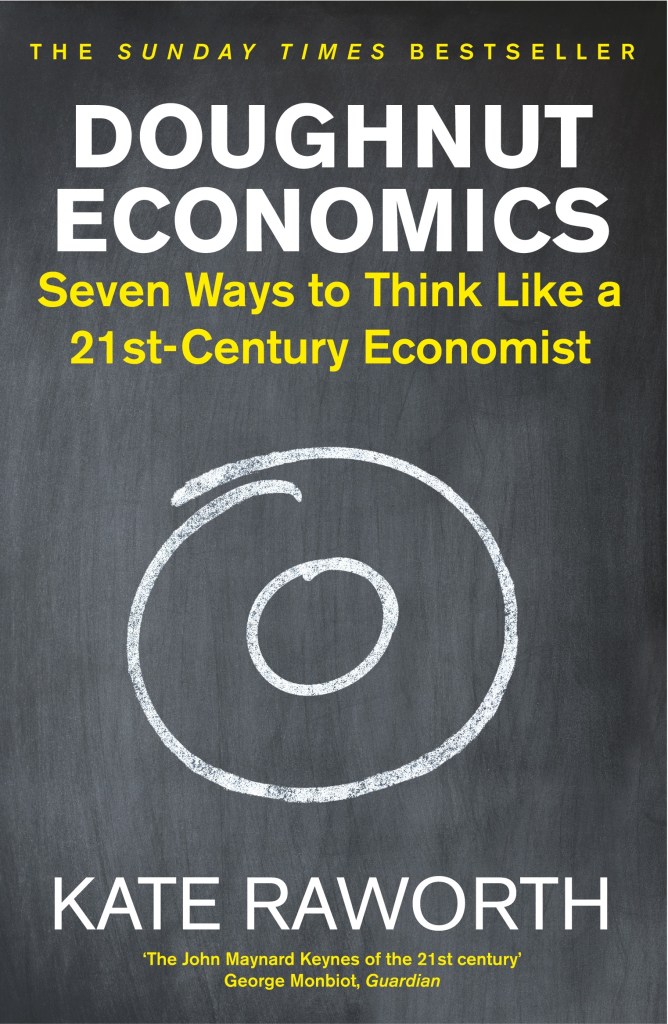
This book is changing things. It changed my perspective and it could change yours too. https://www.kateraworth.com/
Bikes should not be left behind in the move toward equitable, sustainable communities, in facts, bikes can drive better communities and this film will show how. http://motherloadmovie.com/
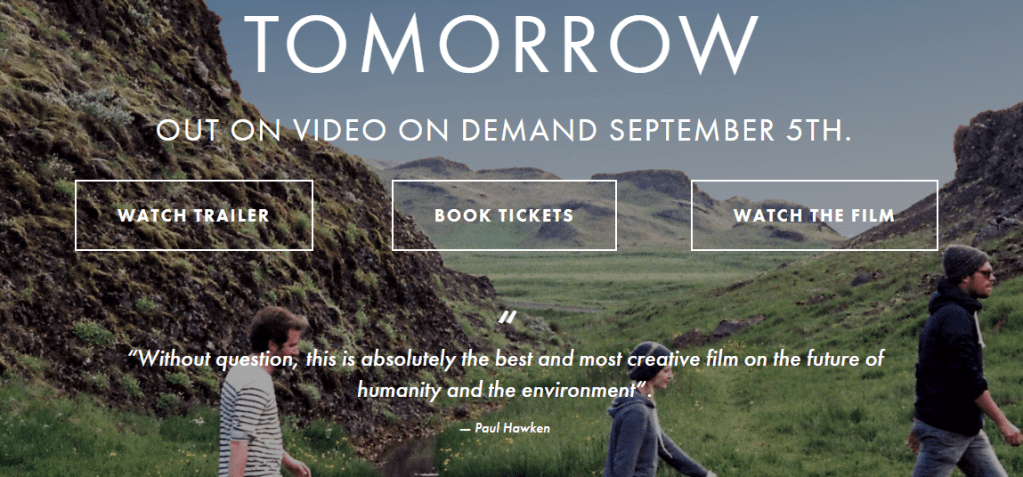
This is actually one of the best documentaries I’ve seen on impactful creative responses to climate change. Just watch it. https://www.tomorrow-documentary.com/

Not a book, but a bookstore. Permaculture Principles has loads of good books all about – you guessed it – permaculture. It’s not an unworthy topic and can inform a transformation in your life, so why not investigate. https://au.permacultureprinciples.com/
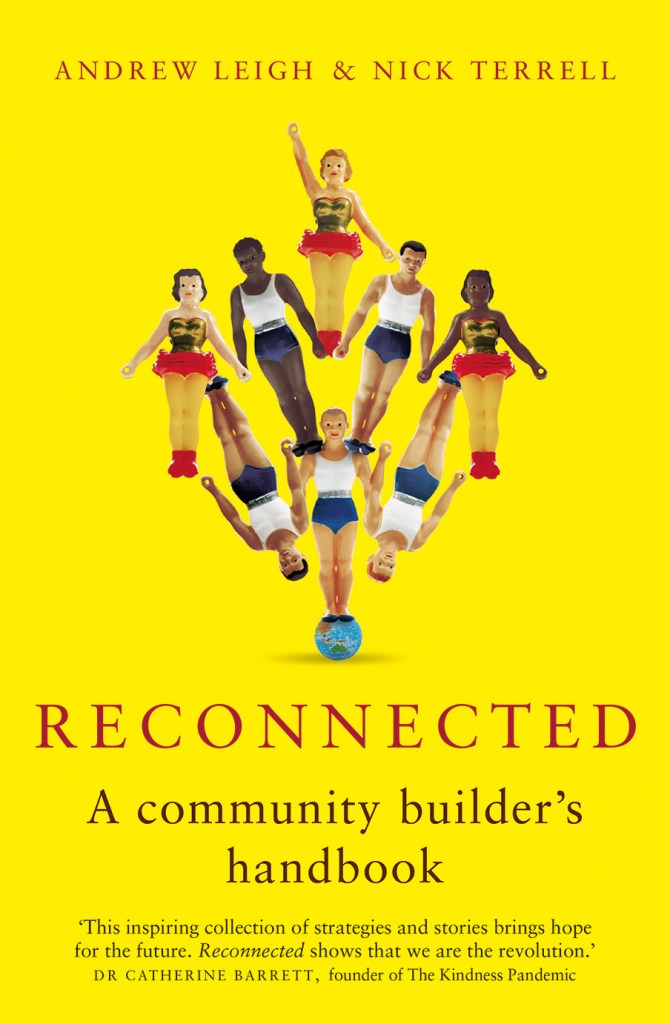
I recommend any of Andrew Leigh’s books. A Professor of Economics and now a politician he writes about all things I am interested in – Economics, people and how it all relates. www.andrewleigh.com
While I would certainly recommend the above title, being the great fan of The Philosophy of Dialogue that I am, I’d also recommend a peruse through all of Peter Westoby’s publications. Do also try to get along to a course at the Camelia Centre in Maleny. www.peterwestoby01.wixsite.com
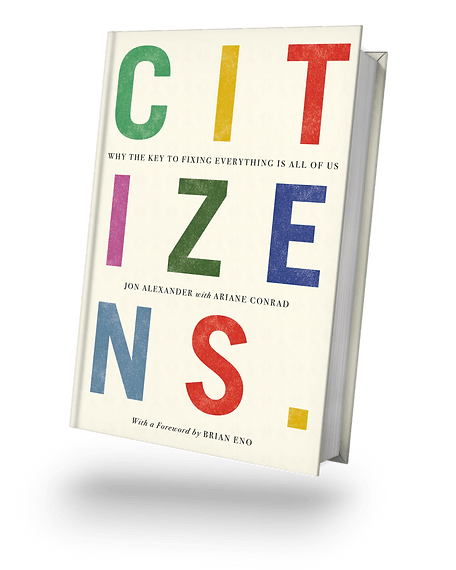
If you’re feeling lots of doom and gloom by reading all of the above this (and all the community development stuff) is where the hope is. People have proven themselves resilient throughout history and this time is no exception. However we may need to relearn how to gather and actually be citizens of our own places all over again. Here’s a manual to show us how to do it.
Charles Eisenstein is one of my absolute favourite ecological-economic-social-philosophers. Somehow he is able to communicate something like the whole picture which is often what we miss when we focus on one part of the puzzle.
I feel he’s important to read thoroughly (much like Jordan Peterson) before making a judgement call. his thinking is so rich and nuanced that one has to read and think and feel into every word he writes. There is truth there and there is despair along with hope. There is just a simple facing of the human condition, no apologies. The sooner we reconcile ourselves to it the better our approach to life will be.
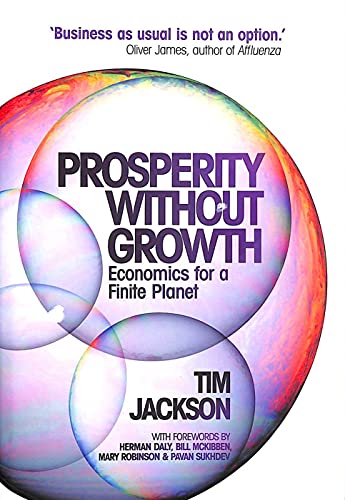
One of the foremost books on consideration of degrowth in the West. In fact, ‘groundbreaking’. Tim Jackson paints it simply and urgently. This is now a book that kickstarted more, but no less essential reading.
This catalogue is constantly growing, as the field of placemaking and our inventiveness in the face of ‘runaway capitalism’ and climate change is constantly developing and evolving. So pop in from time to time, why don’t you.
None of these images are my own and all images have been credited where possible and used in good faith, with the aim of supporting these great programs and initiatives. Please contact me if you would like to have any images removed.
 Tulitha King